Myrtle Beach Condo Rental Overlay and Oceanfront Rules
August 20, 2026
August 20, 2026
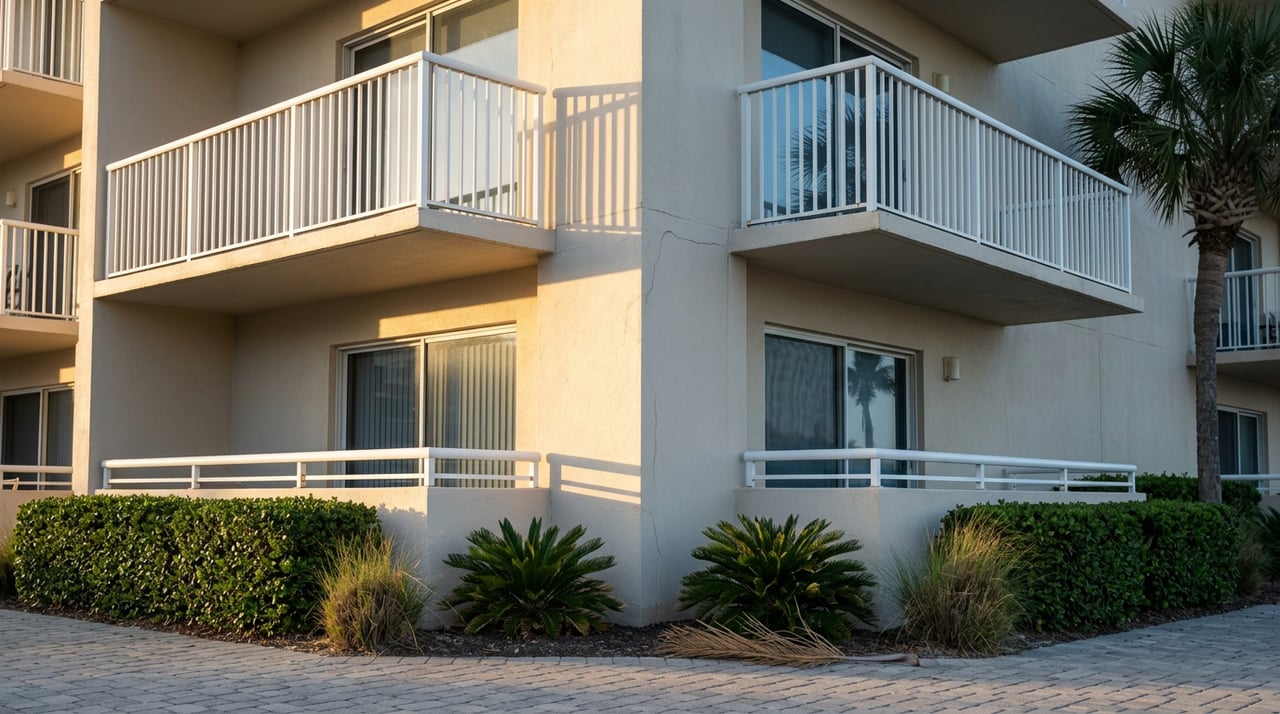
In 2022, a Delaware company called MBSC Property South paid $16.9 million for 169 condos at the Sand Castle South Horizontal Property Regime on South Ocean Boulevard. The plan was straightforward: convert the units from nightly vacation rentals into long-term leases, some of it aimed at workforce and affordable housing. It looked like a sound investment thesis in a market where oceanfront inventory rarely comes up for sale in that kind of volume.
Then the city changed the rules underneath the deal. MBSC now says the block cost it nearly $6.5 million in lost profit, with total unrealized losses pushing toward $10 million once interest, carrying costs, and legal fees are added in. The company is suing the City of Myrtle Beach in federal court to get the rule struck down. If you're shopping for an oceanfront condo with a rental strategy in mind, this case is the clearest illustration of a risk that almost never shows up in a listing sheet: the flexibility to switch between short-term and long-term rental isn't something every building offers, and assuming it does can be an expensive mistake.
On December 10, 2024, WMBF News reported that Myrtle Beach City Council voted unanimously to create what the zoning code calls the Short-Term Rental Conversion Overlay Zone. My Horry News reports that it covers commercial districts east of Kings Highway to the Atlantic Ocean, running roughly from 29th Avenue South to 82nd Avenue North. Avalara reports that the overlay covers more than a hundred city blocks.
Inside that zone, any building of more than two units used as a visitor accommodation cannot be leased for 90 days or longer.
There is one carve-out that matters if you're evaluating a specific unit. WMBF News reports that owners who already held a long-term rental business license before the ordinance passed can keep operating that way, as long as they maintain the license. City staff addressed this directly when the ordinance was first debated, clarifying that the rule does not prevent long-term rental licenses altogether, just the conversion from short to long term.
The overlay wasn't a reaction to noise complaints or a general anti-Airbnb sentiment. It came out of a revenue study. During a 270-day moratorium that started in April 2024, the city hired Arnett and Muldrow Associates to model what happens financially when short-term units convert to long-term leases. The study estimated that for every 1,000 units converted, the city and county lose a combined $7.6 million in accommodations taxes and related revenue, with the city's direct share alone at roughly $2.5 million. The same analysis found that 48 seasonal jobs disappear for every 1,000 units that convert, and that long-term rentals generate more costly public safety calls than short-term ones.
For a tourism-dependent municipal budget, that math is the whole argument. Myrtle Beach's oceanfront corridor functions as a revenue engine built on nightly stays, and the city decided to protect that engine by making the exit ramp to long-term leasing narrower for anyone who bought expecting to have it.
MBSC Property South filed suit against the city on February 5, 2025, arguing the overlay is unlawful under both state and federal law. The complaint calls the ordinance an unconstitutional taking under Article I, Section 13(A) of the South Carolina Constitution, and adds due process, equal protection, and Fair Housing Act claims, arguing that blocking conversion to long-term leases also blocks a path to affordable and workforce housing along the oceanfront. By March 2025, the case had moved to federal court because of those constitutional and federal claims. The city has not commented publicly on the pending litigation, and no ruling had been reported as of this writing.
Whatever the court eventually decides, the case is a useful stress test for buyers. The overlay changed the available rental options after the deal closed, and the rule did not exist when the $16.9 million purchase was made.
Not every district near the water treats visitor accommodations the same way. The City of Myrtle Beach identifies a sharp distinction between districts where short-term rentals are permitted and districts where they aren't.
| Zoning District | Visitor Accommodations Permitted? |
|---|---|
| R5, R7, R8, R10, R15 (single-family residential) | No |
| RMM, RMH, RMH-MH (most multifamily residential) | No |
| MU-M (medium-density mixed use) | No |
| RMV (Residential Multifamily, High Density with Visitor Accommodations) | Yes |
| Commercial districts within the STRC Overlay east of Kings Highway | Yes, but conversion to long-term leasing is restricted |
The RMV designation exists specifically to allow visitor accommodations, and its full name spells out the intent. A building just outside that zoning, or one whose commercial designation falls inside the overlay boundary, can carry very different rental rights even if the two properties look identical from the street.
The instinct when comparing oceanfront condos is to treat rental flexibility as a given, something every building offers in some form, with the real decision being about price per square foot, HOA health, or view. The overlay and the Sand Castle South lawsuit argue against that instinct. Flexibility itself has become the scarce resource, and it isn't distributed evenly. Two buildings a block apart can have the same amenities and wildly different rights to shift between nightly and long-term rental, depending on the parcel's zoning district.
That changes what due diligence should look like for anyone buying with an income strategy in mind. Before writing an offer on a building in or near the overlay zone, it's worth confirming a few things directly rather than assuming them:
None of this shows up in a typical listing description. It shows up in the zoning verification and license history that a buyer, or an agent who knows to ask, pulls before the due diligence period closes.
Does this overlay affect single-family homes or homes outside the oceanfront corridor? No. The rule applies specifically to buildings of more than two units within the defined overlay zone east of Kings Highway.
Can I still buy an oceanfront condo and rent it nightly? Yes, if the building sits in a district that permits visitor accommodations, such as RMV or the applicable commercial designations inside the overlay. What changes is your ability to later convert that same unit to long-term leasing if your strategy shifts.
Buying an oceanfront condo in Myrtle Beach still makes sense for a lot of people. It just makes sense for different reasons depending on which building you're looking at, and the paperwork that answers those questions exists before you ever get to the walkthrough. If you want a second opinion on a specific building's zoning and rental history before you write an offer, Nick Paolozzi has been through this diligence with buyers across the Grand Strand and can help you check it before it becomes a problem instead of after. You can also start with our guide to buying your first Myrtle Beach condo for the broader picture on fees, financing, and insurance before you narrow down buildings.
This article is general information, not legal, tax or financial advice. Consult a qualified professional about your situation.
Stay up to date on the latest real estate trends.
Whether you’re buying your first home, selling a property, or exploring Myrtle Beach living, we’re here to make the process seamless. With local expertise and a people-first approach, we’ll guide you every step of the way.