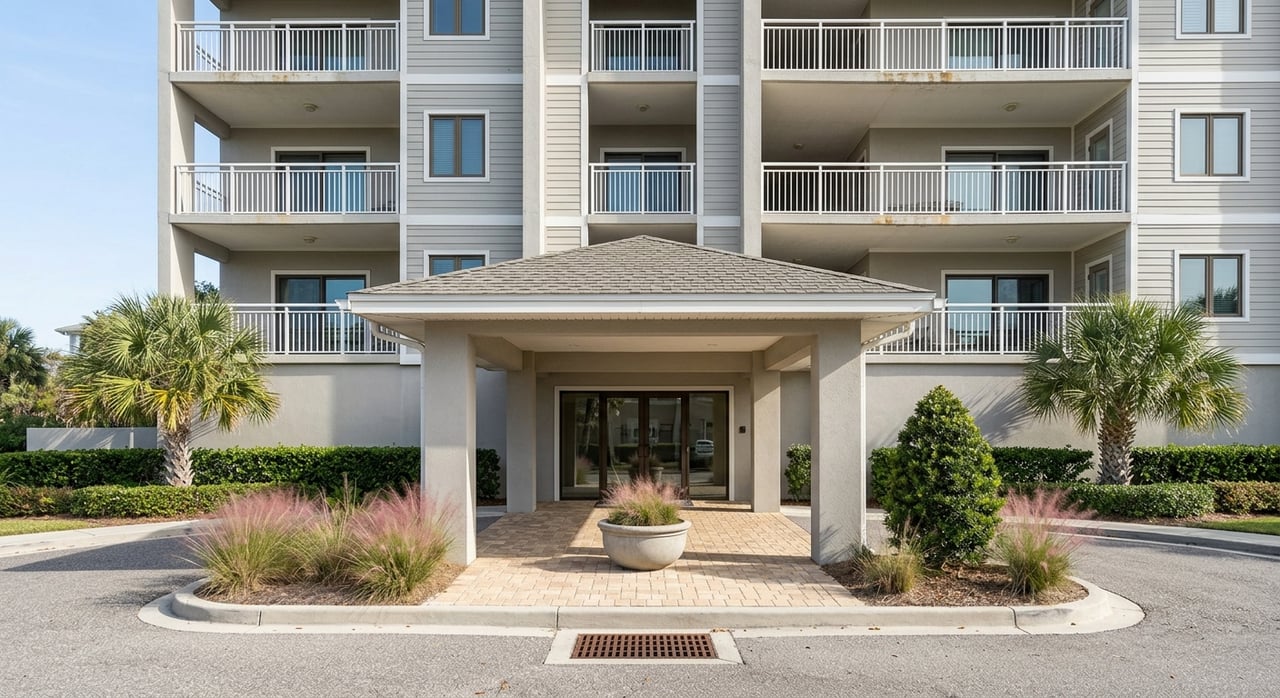
How to Buy a North Myrtle Beach Vacation Condo
July 9, 2026
July 9, 2026
Thinking about buying a vacation condo in North Myrtle Beach? You are not alone. With nine miles of coastline, strong visitor traffic across the broader Myrtle Beach area, and a mix of oceanfront towers, second-row buildings, and quieter inland options, this market can look full of opportunity at first glance. The key is knowing how to compare condos the smart way, so you can balance beach lifestyle, rental potential, and long-term costs. Let’s dive in.
North Myrtle Beach includes Cherry Grove, Ocean Drive, Crescent Beach, and Windy Hill, giving you several distinct coastal areas to explore within one city. The broader Myrtle Beach area welcomes more than 17 million visitors annually, and short-term rentals play an important role in the local tourism economy.
That matters if you are shopping for a vacation condo. In many cases, you are not just buying a place to enjoy for yourself. You are also evaluating whether the property fits your goals for occasional rental income, future flexibility, or both.
Before you compare buildings, get clear on how you want to use the condo. A unit that works well for frequent personal trips may not be the same one that works best for a rental-focused strategy.
Ask yourself a few simple questions:
Your answers help narrow the field fast. They also keep you from overpaying for features you may not actually use.
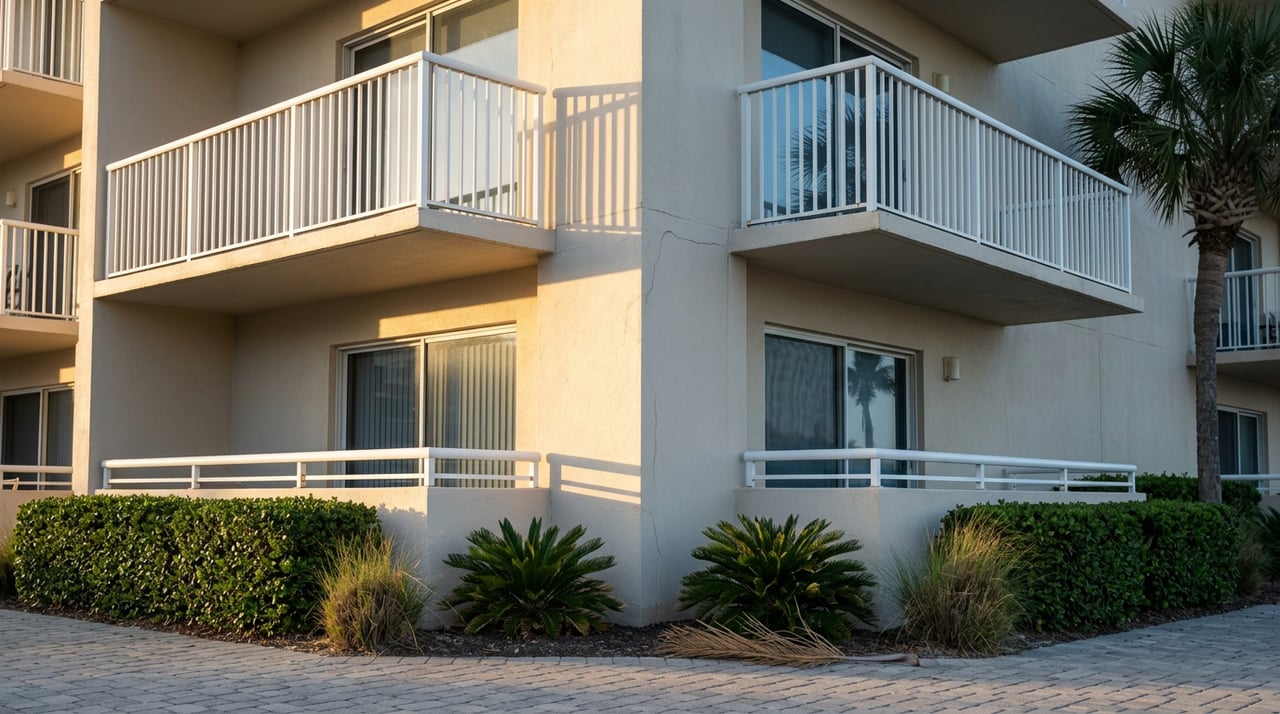
Oceanfront and resort-style towers usually offer the easiest beach access, better views, and strong appeal for vacation guests. If rental demand is part of your plan, these buildings often make it easier to market the location itself.
The tradeoff is cost. Shared condominium expenses can include insurance, maintenance, taxes, and improvements, so amenity-heavy buildings should be judged by total carrying cost, not just purchase price.
Second-row or near-beach condos can be a strong middle-ground option. You may still get convenient beach access while avoiding some of the premium that comes with direct oceanfront positioning.
For many buyers, this category offers a practical balance. You stay close to the coast while potentially keeping your overall cost of ownership more manageable.
If you care more about quieter surroundings, larger floor plans, or less day-to-day beach activity, inland or waterway-oriented condos may fit better. These properties can also appeal to buyers who want a vacation feel without being in the busiest beachfront setting.
This does not automatically make them a better value. It simply means the right choice depends on how you define value for your lifestyle and use.
One of the biggest mistakes vacation-condo buyers make is focusing too much on the list price. In North Myrtle Beach, the better question is what the condo will cost you to own and operate over time.
That bigger picture often includes:
A lower-priced condo with weak reserves or high operating costs may be less attractive than a more expensive condo with stronger association finances and fewer surprises.
If rental income matters to you, verify the rules before you make an offer. Do not assume every condo in North Myrtle Beach allows short-term rentals just because the city supports tourism.
North Myrtle Beach requires short-term rentals inside the city to have a business license, renew annually, and comply with local rules covering trash, parking, noise, and occupancy. The city also notes that while there is no separate special zoning or permit process beyond standard licensing, planned development districts, development agreements, and HOA or POA documents may still restrict short-term rental use.
That means you should review:
This step is essential. A great-looking unit is not a great fit if its rental rules do not match your plan.
Rental income is only part of the equation. You also need a clear view of the taxes and fees that affect your net income.
South Carolina taxes sleeping accommodations rented for less than 90 consecutive days. According to the South Carolina Department of Revenue, the accommodations tax is 7% plus any applicable local tax.
North Myrtle Beach says its Hospitality Fee is 1.5% on transient accommodations, and Horry County lists a 1.5% charge on transient accommodations inside North Myrtle Beach. Those charges stack on top of the state-level tax burden, so it is important to model your numbers after taxes and fees, not just based on the nightly rate.
There are also administrative details to confirm. If you book directly, you may need a retail license to file and pay the tax. If a property management company or online travel company books and accepts payment, that party is generally responsible for remitting the tax. Mandatory cleaning fees and booking service fees are taxable, and if you hold an active retail license, you still need to file returns even during periods with no rentals.
When you buy a condo, you are also buying into an association. That makes the HOA review one of the most important parts of your due diligence.
South Carolina condominium law places responsibility for common-element maintenance on the association. Common expenses can include taxes, insurance, maintenance, and improvements. The law also includes association records, insurance policies, management agreements, and accounting records in the official record set.
As a buyer, you should ask for:
The association must make an annual income-and-expense statement and balance sheet available to owners on request within 75 days after the fiscal year ends. Even if a condo looks move-in ready, the real story may be in the budget, reserves, and repair history.
South Carolina requires a residential property condition disclosure. The state real estate commission also says an addendum is required when a property is subject to an HOA, condo association, or similar covenants and rules.
The disclosure form tells buyers to review covenants, bylaws, deeds, and similar documents. It also states that the disclosure is not a substitute for inspections.
For a vacation condo, this means the documents are not just paperwork. They help you understand what you can do with the property, what the association must maintain, and where future costs could come from.
Property tax treatment can materially affect your yearly costs. Horry County says real property is assessed at 4% for a qualified primary residence and 6% for all other real property.
A vacation condo will usually fall into the 6% category unless you later qualify for and apply for legal residence treatment. If there is a chance you may turn the condo into your primary home in the future, it is worth asking how that process works and what documentation the county requires.
In a coastal market, flood risk deserves separate attention from standard insurance and HOA dues. North Myrtle Beach says the city is subject to flooding from the Atlantic Ocean, the Intracoastal Waterway, and inland waters.
The city also notes that standard homeowner’s policies do not cover flooding. It participates in the National Flood Insurance Program, and NFIP policies typically have a 30-day waiting period.
Before you buy, consider these steps:
This is one area where assumptions can get expensive. A condo near the water may be exactly what you want, but you need to understand the flood exposure before you commit.
A condo can look perfect in photos and still be frustrating in real life if the building rules do not fit your needs. That is why practical rules matter just as much as the view.
North Myrtle Beach specifically identifies noise, trash, parking, guest behavior, and responsiveness as common short-term rental management issues. You should also ask about pet rules and storage limits before making an offer.
These details shape both owner experience and guest experience. They can also affect how easy the condo is to rent and manage over time.
Use this checklist when comparing options:
Buying a vacation condo in North Myrtle Beach is not just about finding the prettiest unit near the beach. It is about matching the building, the rules, the costs, and the risk factors to the way you actually plan to use the property.
For some buyers, the best fit will be an oceanfront resort-style condo with strong guest appeal. For others, a second-row or inland unit may offer a better blend of enjoyment, flexibility, and manageable ownership costs.
If you want help sorting through condo options, reviewing tradeoffs, or narrowing the right fit for your goals, Nick Paolozzi can help you make sense of the North Myrtle Beach market with local insight and a practical, buyer-focused approach.
Stay up to date on the latest real estate trends.
Whether you’re buying your first home, selling a property, or exploring Myrtle Beach living, we’re here to make the process seamless. With local expertise and a people-first approach, we’ll guide you every step of the way.