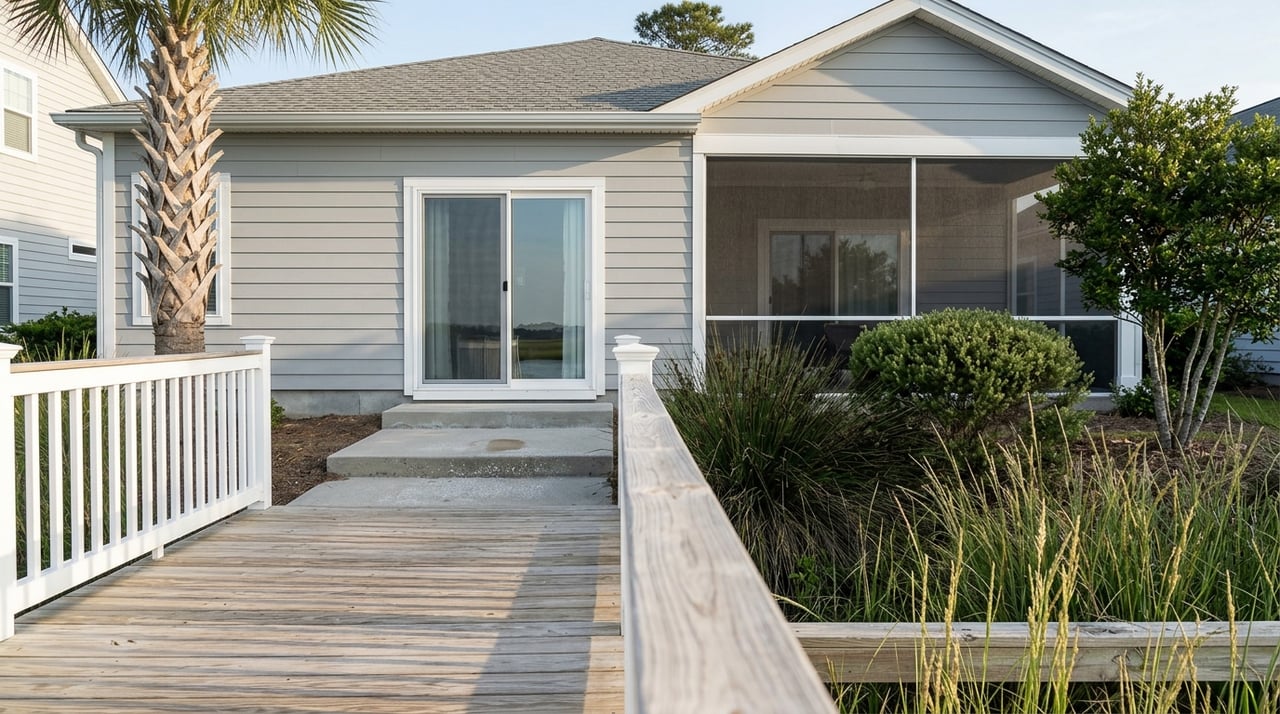
What to Know About Murrells Inlet Marshfront Homes
May 14, 2026
May 14, 2026
Dreaming about a marsh view in Murrells Inlet? You are not alone. These homes offer a rare mix of water, wildlife, breezes, and outdoor living that can feel very different from a typical coastal neighborhood. If you are thinking about buying one, it helps to look past the pretty photos and understand what really affects value, use, and long-term confidence. Let’s dive in.
Murrells Inlet is shaped by its estuary, creeks, and marshland. Local conservation sources describe the estuary as the heart of the community, stretching from Garden City to Huntington Beach State Park and supporting oyster grounds and the local fishery. That setting gives marsh-view homes a strong sense of place that feels tied to the landscape, not just the zip code.
The local identity shows up in daily life too. The MarshWalk is a half-mile wooden boardwalk along a natural saltwater estuary in the historic fishing village, which reinforces how closely the community connects to the water. When you buy here, you are often buying into a lifestyle built around views, breezes, and access to the marsh environment.
Murrells Inlet does not follow one uniform architectural style. The historic district record describes homes overlooking the creek and marshland with wood construction, large screened porches, and piers that create a visual unity. It also notes a mix of early cottages and later resort-style vernacular buildings.
That matters because your options may vary more than they would in a standard subdivision. You may see older homes with classic porch-driven design, newer elevated coastal builds, or custom properties that borrow from Lowcountry traditions. In many cases, the outdoor spaces are just as important as the interior square footage.
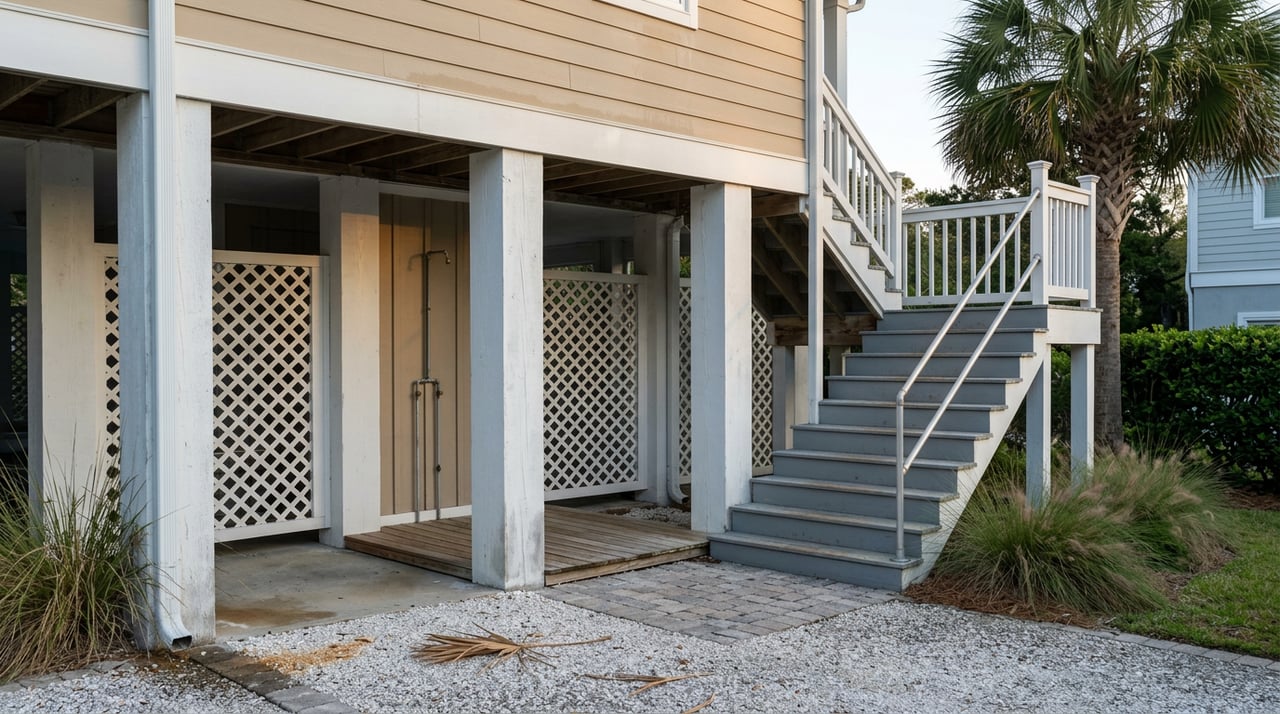
Lowcountry-style homes in South Carolina are often designed to work with marsh breezes and coastal weather. Common features include raised construction, wide porches, large windows, shutters, and tall ceilings. In practical terms, that can mean screened porches, rear decks, balconies, and covered spaces that function like everyday living areas.
If you love the idea of morning coffee with an open marsh view or evenings outside when the breeze picks up, this is part of the appeal. But it also means you should pay close attention to the condition, size, and orientation of those outdoor spaces. A great porch can add a lot to how a marsh-view home actually lives.
A marsh-view home is not valuable simply because it sits near water. Research on wetlands and property values shows that buyer appeal can depend more on accessibility and usability than simple proximity. In other words, not all marsh-adjacent homes offer the same experience or the same long-term appeal.
When you compare homes, focus on the features that shape daily use and future marketability. The strongest properties often combine a clean view, usable outdoor living, privacy, and a site that supports the way you want to enjoy the property.
Coastal real estate continues to attract buyers even as storm and sea-level-rise risks remain part of the picture. That helps explain why the lifestyle premium for marsh-view property can stay strong. Still, the best buying decisions balance that premium with flood exposure, insurance costs, and property-specific limitations.
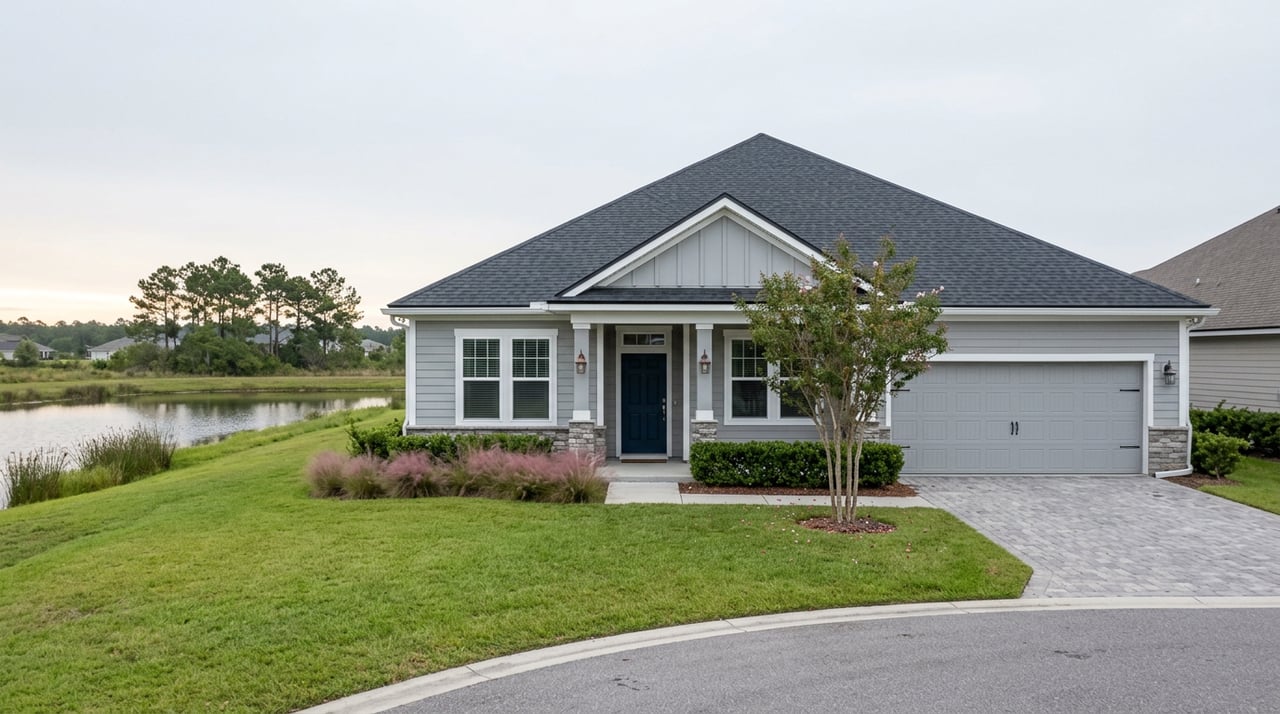
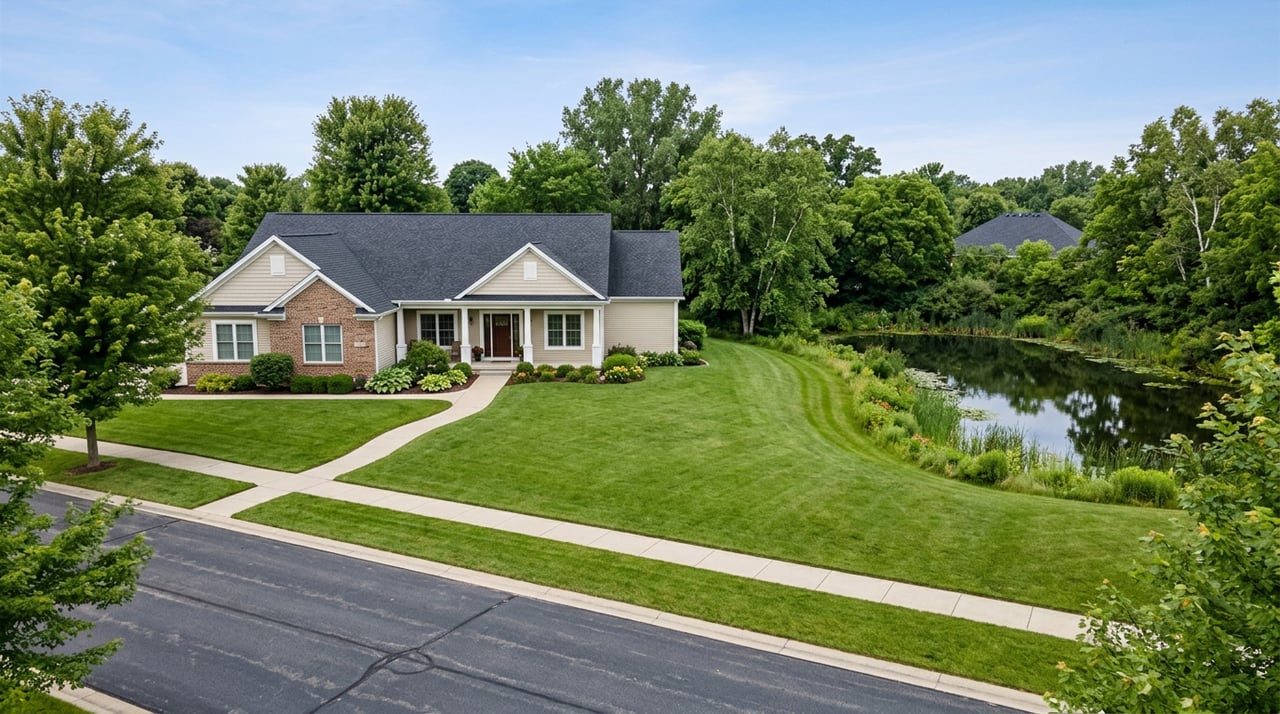
One reason buyers like marsh-view homes is the sense of openness behind the house. In many cases, the rear of the property may face marsh or tidal creek instead of another backyard. That can create a more peaceful feel and a stronger connection to the natural setting.
Still, privacy is not automatic. Homes closer to the MarshWalk or other public access areas may have more foot traffic or visibility than listing photos suggest. Before you buy, it is smart to visit at different times of day so you can get a clearer feel for noise, activity, and sight lines.
This is one of the most important parts of buying a marsh-view home in Murrells Inlet. FEMA says coastal flood maps include zones such as VE, AE, and AO, and Zone VE is considered a higher-hazard coastal area with more stringent building practices. A home’s elevation, foundation type, and relation to the site can matter just as much as the view.
Flood maps are also updated over time, so you should not rely on assumptions or old listing details. FEMA’s official map service is the public source for flood-hazard information, and FEMA notes that a 1% annual chance flood corresponds to at least a 26% chance over a 30-year mortgage. That is why flood review should happen early, not after you fall in love with the house.
A marsh view and a private dock are not the same thing. If access to the water is important to you, check the rules before you write an offer. South Carolina’s coastal permitting rules matter here, and SCDES says waterfront owners should check for an approved dock master plan and ask the HOA or developer whether private docks are potentially allowed.
SCDES also says authorization is required for altering coastal waters or tidelands critical areas. That review can involve docks, bulkheads, marinas, boat ramps, living shorelines, dredging, and similar work. Horry County also cautions that activities disturbing saltwater wetlands should not be done without the proper state permits.
If the answer to any of those questions is unclear, treat that as part of your due diligence, not as something to figure out after closing.
Many buyers assume a marsh view is permanent, but that is not always guaranteed. The staying power of the view can depend on adjacent land ownership, possible future development, and whether the outlook is tied to private land, public land, or conserved marsh. This is a planning issue, not a promise.
That is why it helps to look beyond the lot lines in the listing. Ask what sits between the home and the water, who controls nearby parcels, and whether there are any known development factors that could affect your line of sight. A beautiful view today deserves a closer look before you count on it for the long term.
Some marsh-adjacent homes come with systems and maintenance items that deserve extra attention. Clemson Extension says routine septic inspections can save money, and an average household septic tank often needs pumping every three to five years. If the home uses septic, inspection timing and system condition should be part of your review.
Storm recovery can affect the property after major weather events as well. Clemson Extension also notes that saltwater intrusion can damage landscapes and shallow irrigation wells after storms. For buyers, that means the lot and site conditions deserve just as much attention as the interior finishes.
Insurance should be part of your comparison from the start. The South Carolina Department of Insurance says insurers may offer mitigation credits, and the SC Safe Home program is designed to help homeowners make properties more resistant to wind damage and flood. Those details can affect your ownership costs over time.
If you are comparing two marsh-view homes, one may look like the better deal at first glance. But once you factor in flood zone, elevation, mitigation features, and insurance pricing, the math can shift. A smart comparison includes both lifestyle appeal and total cost.
The best marsh-view purchases usually come from balancing emotion with due diligence. It is easy to focus on sunsets, breezes, and the feeling of being near the estuary. Those are real benefits, but they should be paired with practical review of flood mapping, permitting, insurance, septic needs, and future use.
If you are buying from out of town, this matters even more. A home that looks perfect online may feel very different once you assess privacy, outdoor living, lot layout, and public exposure in person or through a detailed virtual showing. The goal is not just to buy a beautiful home. It is to buy the right marsh-view home for how you want to live.
If you want help sorting through marsh-view homes in Murrells Inlet, comparing flood-zone differences, or narrowing down the right fit from a distance, Nick Paolozzi can help you make a clear, confident move.
Stay up to date on the latest real estate trends.
Whether you’re buying your first home, selling a property, or exploring Myrtle Beach living, we’re here to make the process seamless. With local expertise and a people-first approach, we’ll guide you every step of the way.