Living in Market Common: Life Near the Park
February 5, 2026
February 5, 2026
Imagine stepping out your front door, grabbing a coffee, and strolling through a leafy park before lunch. If that sounds like your kind of morning, Market Common might be the right fit. You get walkable streets, a town-center vibe, and everyday conveniences close to home. In this guide, you’ll learn what day-to-day life feels like, the housing choices, fees to plan for, how to get around, and key tips for choosing the right spot. Let’s dive in.
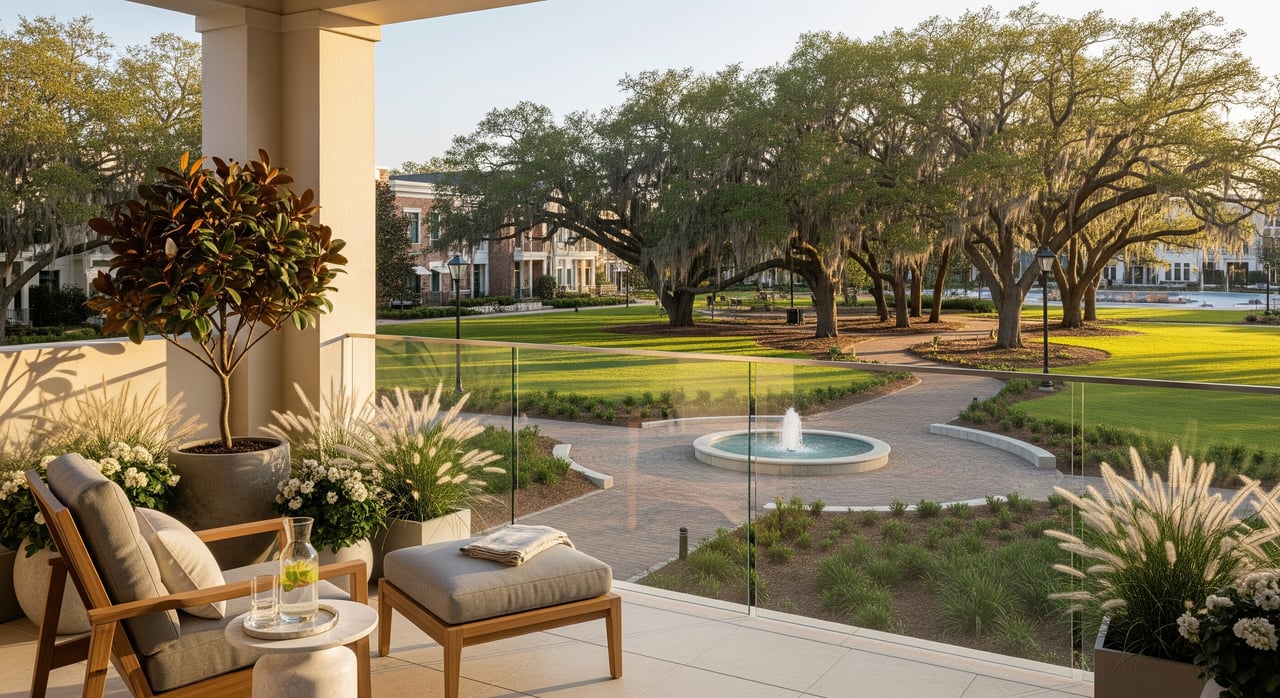
Market Common is a planned community built on the former Myrtle Beach Air Force Base. The neighborhood was designed to make daily life simple, with homes clustered around shops, dining, and green space. Sidewalks, street trees, benches, and plazas give it a welcoming, small-town feel.
You can expect low to mid-rise condos and apartments, townhomes, and single-family homes. Streets are oriented for short walks to coffee, groceries, or dinner. It is known locally for being one of the more intentionally planned and walkable areas in the Myrtle Beach region.
Parks and plazas are at the heart of daily life here. You will find a central green and features like Valor Park that set the stage for morning dog walks, casual jogging, and relaxed afternoons. Designer touches such as walking paths, playgrounds, fountains or splash features, and open lawns make it easy to spend time outdoors.
These spaces also host neighborhood events. Seasonal markets, outdoor concerts, festivals, and holiday celebrations bring people together and add energy to the streets. On a typical evening, you might grab dinner, catch a movie, enjoy an event, and walk home without moving your car.
Market Common functions like a self-contained hub. You have access to:
The area is relatively flat and designed for short walks. Sidewalks and street-level retail keep things convenient. For longer trips across the Grand Strand, you will likely use a car, public transit, or rideshare. Bicycles and other micro-mobility options may be present depending on current local rules and availability.
You have a wide mix of choices:
Many properties include community amenities such as pools, fitness rooms, and managed common areas. As the area matures, new infill projects and renovations keep options fresh, from more entry-level finishes to higher-end and luxury condos. The neighborhood also supports a rental market, including long-term rentals and some seasonal or short-term rentals. Rules vary by building and association, so always verify any rental plan with HOA documents and municipal guidelines before you buy.
Market Common typically commands a price premium compared with many other Myrtle Beach neighborhoods. You are paying for walkability, a planned setting, and easy access to services. Pricing and inventory shift seasonally and year to year. For current numbers and comps, use live sources and a local agent.
Most properties are part of an HOA or condo association. Monthly fees usually cover common-area maintenance, landscaping, security, and amenities. Fee levels vary by property type, community, and included services. Request governing documents, recent budgets, and reserves to understand what you are paying for.
Driving within the neighborhood is straightforward, and there is a mix of on-street and lot parking for visitors. Some buildings offer assigned spaces or garages. Parking demand increases in peak tourism months and during events, so expect busier periods.
For regional travel, you have direct access to major roads serving the Grand Strand. Public bus services operate across the area, and rideshare options like Uber and Lyft are available. Myrtle Beach International Airport serves the region. Drive times vary with traffic and season, so check current conditions when planning.
If you are moving with children, Market Common is served by Horry County School District. School assignments depend on your address, so review current boundary maps and program details. There are also private school and early-childhood options in the broader Myrtle Beach area.
Healthcare is accessible within a short drive, with multiple hospitals, urgent care centers, primary care, dental, and specialists serving the region. Police, fire, and EMS services are provided by municipal and county agencies, similar to other urban neighborhoods.
Use this quick plan to narrow your options:
Map your routine. List your top three daily needs like coffee, gym, pharmacy, or park access. Tour homes within a short walk of those spots.
Walk it at different times. Visit on a weekday morning, a weekend afternoon, and an event evening. Notice crowd levels, parking availability, and noise.
Clarify HOA details. Request the governing documents, budgets, and recent meeting minutes. Understand fees, pet rules, parking allocations, architectural guidelines, and rental policies.
Check rental goals early. If you plan to rent, verify short-term and long-term rules with the HOA and municipal sources before you write an offer.
Test your commute. Time your drive to regular destinations and the airport. Confirm transit routes if you plan to use them.
Compare amenities. Some buildings include pools, fitness rooms, elevators, or storage. Decide which features matter and what they are worth monthly.
Review recent comps and days on market. Market Common can move differently by property type and season. Ask for up-to-date neighborhood comparisons.
A typical day might start with a coffee and a loop through the central green under tree cover. Midday, you can run errands on foot, drop into a boutique, or catch a fitness class. Evenings are easy to plan by feel. Pick a restaurant, meet a friend in the plaza, and see a movie or enjoy a community event. You will feel the pace pick up during holidays and peak season, which adds energy to the streets and can make parking a bit tighter.
If you prefer a lifestyle built around short walks, public spaces, and easy options for food, fitness, and entertainment, Market Common delivers that rhythm. If you want the lowest price per square foot and do not mind driving to most things, other parts of the Grand Strand may be a better fit.
If Market Common fits your lifestyle, get local guidance that makes the decision easy. I help buyers and sellers with neighborhood tours, relocation planning, virtual showings, HOA and rental rule checks, and data-backed pricing. Reach out to schedule a visit or a video walkthrough, and let’s match you with the right home near the park. Connect with Nick Paolozzi to Start Your Life at the Beach.
Stay up to date on the latest real estate trends.
Whether you’re buying your first home, selling a property, or exploring Myrtle Beach living, we’re here to make the process seamless. With local expertise and a people-first approach, we’ll guide you every step of the way.