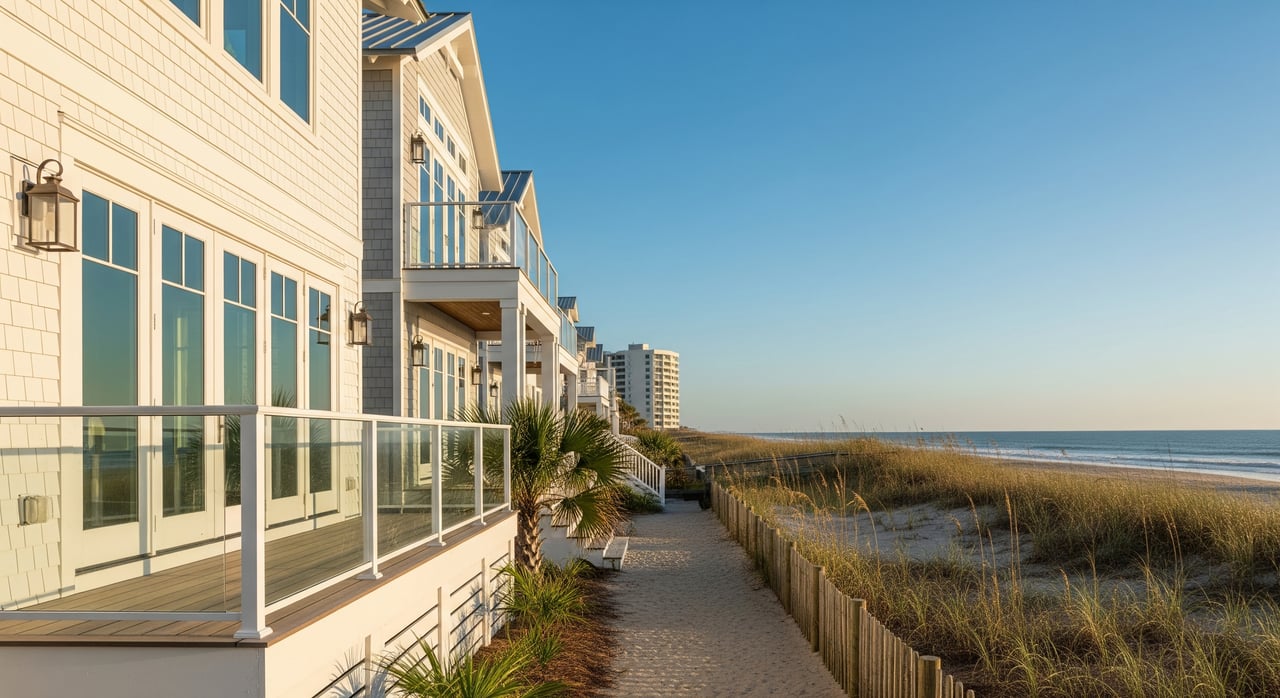
Townhome vs Condo Living in Surfside Beach 29575
January 1, 2026
January 1, 2026
Trying to choose between a townhome and a condo in Surfside Beach? You’re not alone. In 29575, both options offer low‑maintenance living close to the sand, but the way you own, maintain, insure, and even finance them can be very different. In this guide, you’ll learn how each option works, what to expect with fees and parking, how coastal risk affects insurance, and what to review before you make an offer. Let’s dive in.
In a condominium, you usually own the interior of your unit, often described as from the drywall in, plus a shared interest in common areas like the roof, exterior walls, land, and amenities. A condo association manages the property under a declaration, bylaws, and rules. The association carries a master insurance policy for common elements, and you carry an HO‑6 policy for your interior and belongings.
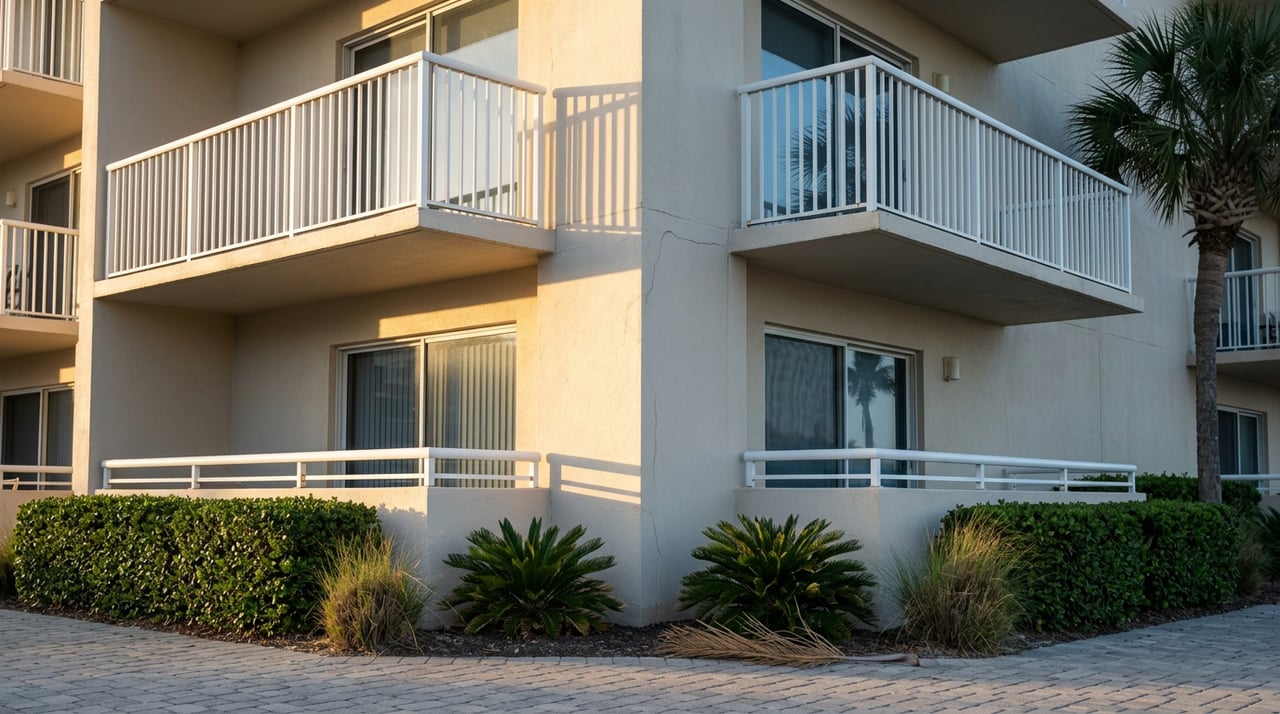
Condo buildings in 29575 range from beachfront towers to garden‑style clusters. Shared corridors and elevators are common, and balconies are a frequent perk near the ocean.
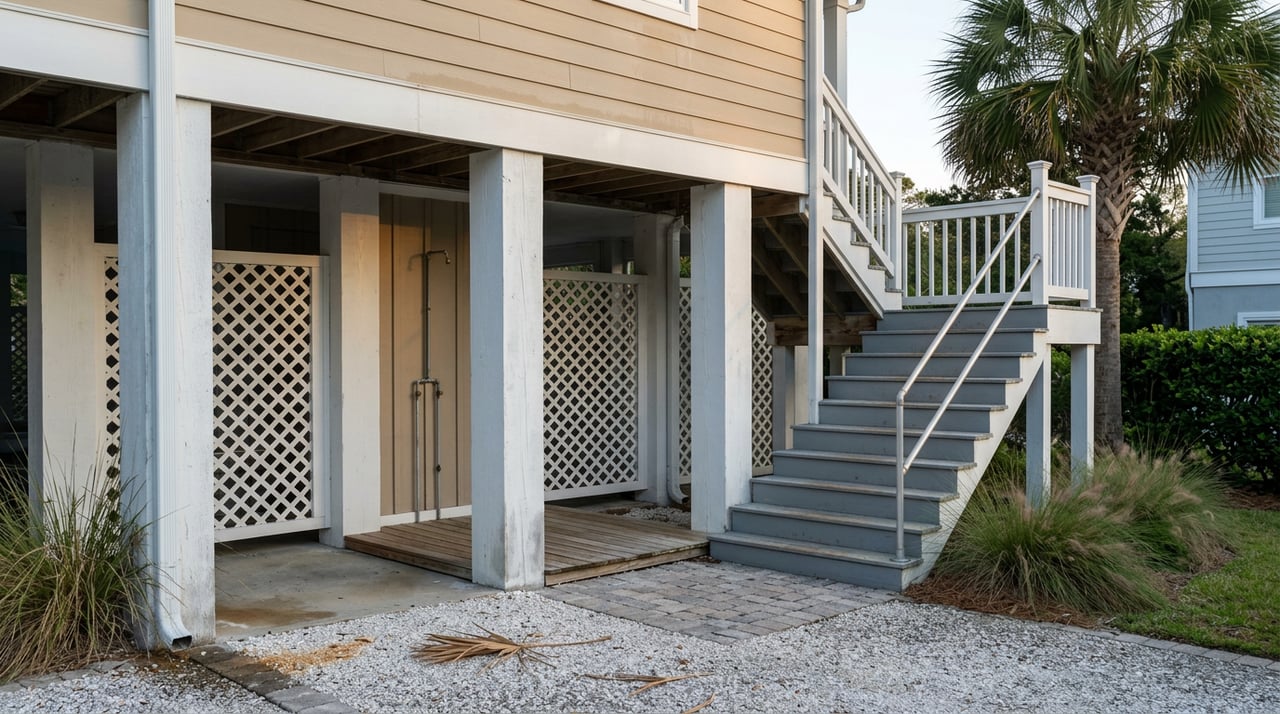
A townhome often looks like a row house with a private entrance and sometimes a garage or small yard. You commonly own the structure and the lot in fee simple, which can mean you are responsible for the exterior, roof, and grounds. Many townhome communities also have an HOA with rules that cover shared areas or, in some cases, exterior maintenance.
Here is the key point: two Surfside Beach properties can look similar yet have very different owner responsibilities because of how the community is legally structured. Always confirm what the HOA covers by reviewing the governing documents.
Condos are popular with downsizers who want single‑level living and minimal upkeep. Many buildings have elevators, which matters if stairs are a concern. Floor plans range from compact one‑bedroom units to larger multi‑bedroom homes. Balconies are common near the beach and can offer ocean or marsh views.
Townhomes usually feel more like a house with multiple levels, a private entrance, and often a garage or driveway. You may get more storage and a small yard or patio. If you expect frequent family visits or want a garage for beach gear and golf clubs, a townhome can be a better fit.
Parking can make or break your experience in a beach town. Condos often have assigned spaces, sometimes in a structured or covered garage, and guest parking can be limited. Townhomes are more likely to include a private driveway or garage. With narrow streets near the shore and peak‑season demand, guaranteed parking is a valuable amenity in 29575. Confirm assigned spaces, guest parking rules, and any seasonal restrictions before you commit.
Condo associations typically handle exterior maintenance, roofing, landscaping of common grounds, elevators, and building systems. This setup reduces hands‑on upkeep for you, but you should expect higher monthly dues because the association maintains and insures a larger building envelope and shared amenities.
Townhome HOA responsibilities range widely. Some associations cover only common landscaping and roads. Others include roofs, exterior paint, and even exterior insurance. The practical effect is simple: if the HOA covers more, your fees are usually higher, but your personal to‑do list is shorter. Always verify who is responsible for the roof, siding, foundation, driveways, and stormwater systems.
Monthly dues reflect what the association insures and maintains. Common fee drivers include building insurance, flood and wind coverage, exterior maintenance, pools, elevators, beach access upkeep, security, utilities for common areas, management fees, and reserve funding.
Condos generally have higher dues than many townhomes because they must insure and maintain larger shared structures. Townhome fees can be lower when owners handle their own exterior maintenance. That said, older buildings or communities with deferred maintenance can face special assessments. Review the latest budget, reserve study, meeting minutes, and any assessment history before you write an offer.
Coastal Horry County faces hurricane winds, storm surge, and flooding. This reality affects premiums and may require separate wind or flood policies.
Because premiums vary by elevation, construction type, and proximity to the water, it is smart to get insurance quotes early in your search.
Lenders apply extra scrutiny to condos. They may check owner‑occupancy ratios, litigation, reserve strength, and project approval status. FHA and VA loans also have specific condo project approvals that can influence your loan options. Townhomes can sometimes be simpler to finance if they are fee simple and not part of a condo form of ownership, but you still must meet lender and HOA standards.
For resale, buyers respond well to buildings with solid reserves, experienced management, and clear rental rules. Townhomes with a house‑like layout can appeal to downsizers and second‑home owners who want private entries and garages.
Surfside Beach is a popular vacation market, so rental rules matter. Many condo associations regulate short‑term rentals, and some limit rental frequency or set minimum lease terms. Townhome communities can impose restrictions as well. You also need to understand local requirements in the Town of Surfside Beach and Horry County, including business registration, local and state accommodations taxes, occupancy and parking rules, and any inspections.
If you plan to rent your unit, confirm two things: 1) the HOA’s rental provisions and any approval process, and 2) the town and county regulations for registration, taxes, and safety standards. Compliance requires you to satisfy both the HOA and local rules.
Use these quick prompts to narrow your choice:
Before you make an offer, gather and review:
Choosing between a condo and a townhome in Surfside Beach is about matching your lifestyle to the right ownership structure. Focus on how the property is legally set up, what the HOA covers, and how coastal risk affects insurance and financing. Then confirm rental rules at both the HOA and municipal levels.
If you want a local guide who can help you compare communities, review HOA documents, arrange virtual tours, and connect you with coastal insurance and lending pros, reach out to Nick Paolozzi. Start your life at the beach with clear, local advice and a plan that fits your goals.
Stay up to date on the latest real estate trends.
Whether you’re buying your first home, selling a property, or exploring Myrtle Beach living, we’re here to make the process seamless. With local expertise and a people-first approach, we’ll guide you every step of the way.