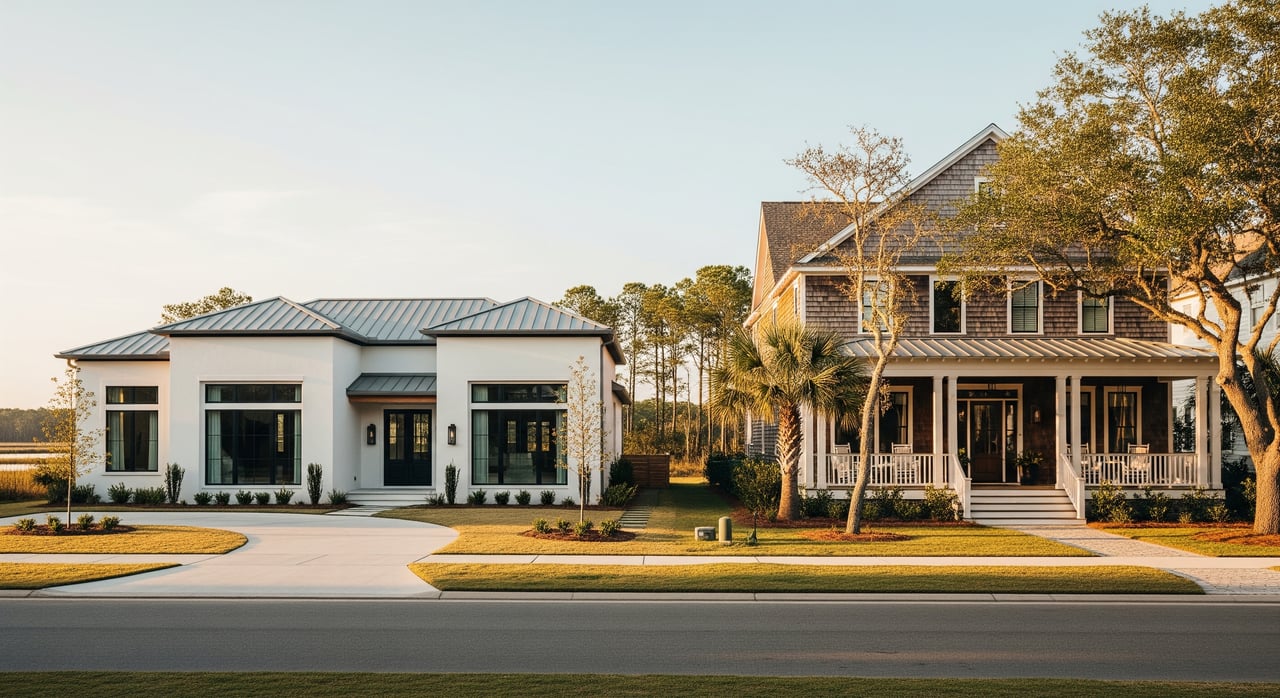
Should You Buy New Construction or Resale in Carolina Forest?
December 18, 2025
December 18, 2025
Trying to decide between a brand-new home and a move-in-ready resale in Carolina Forest? If you are relocating to the Grand Strand or upsizing locally, the choice can feel big. You want clarity on costs, timelines, warranties, HOAs, inspections, and long-term value. This guide breaks it down so you can buy with confidence in Carolina Forest. Let’s dive in.
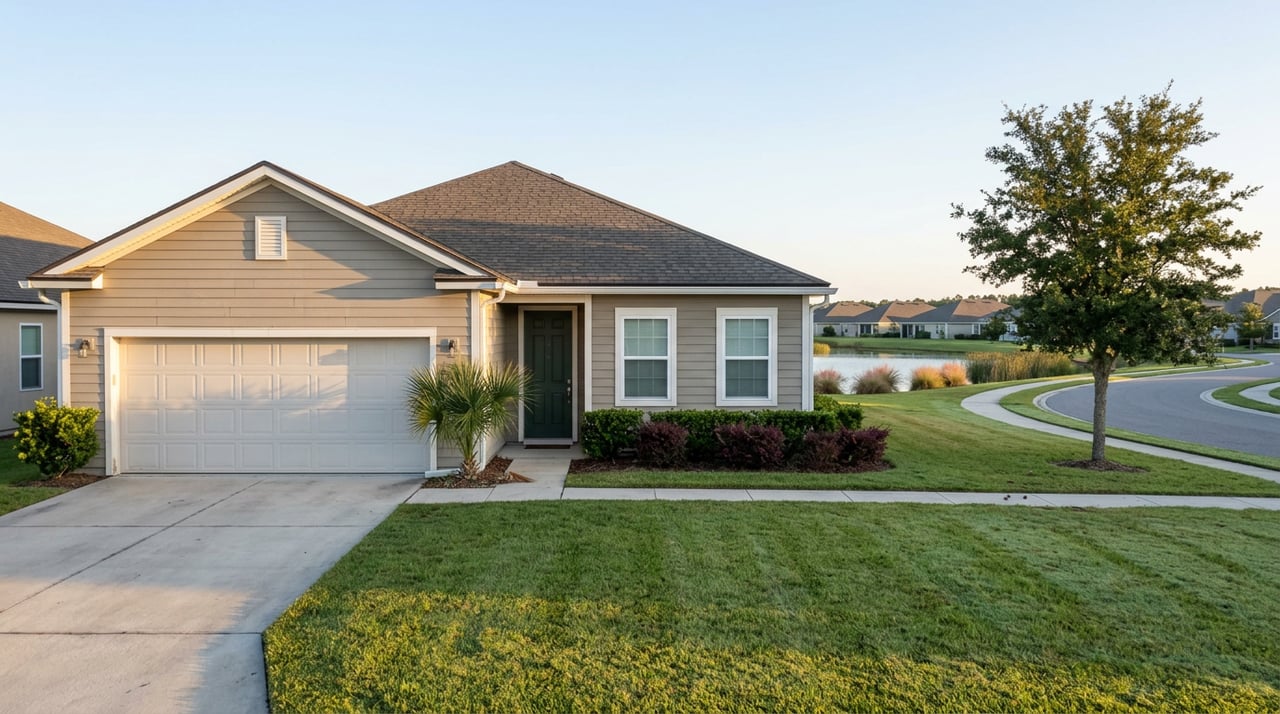
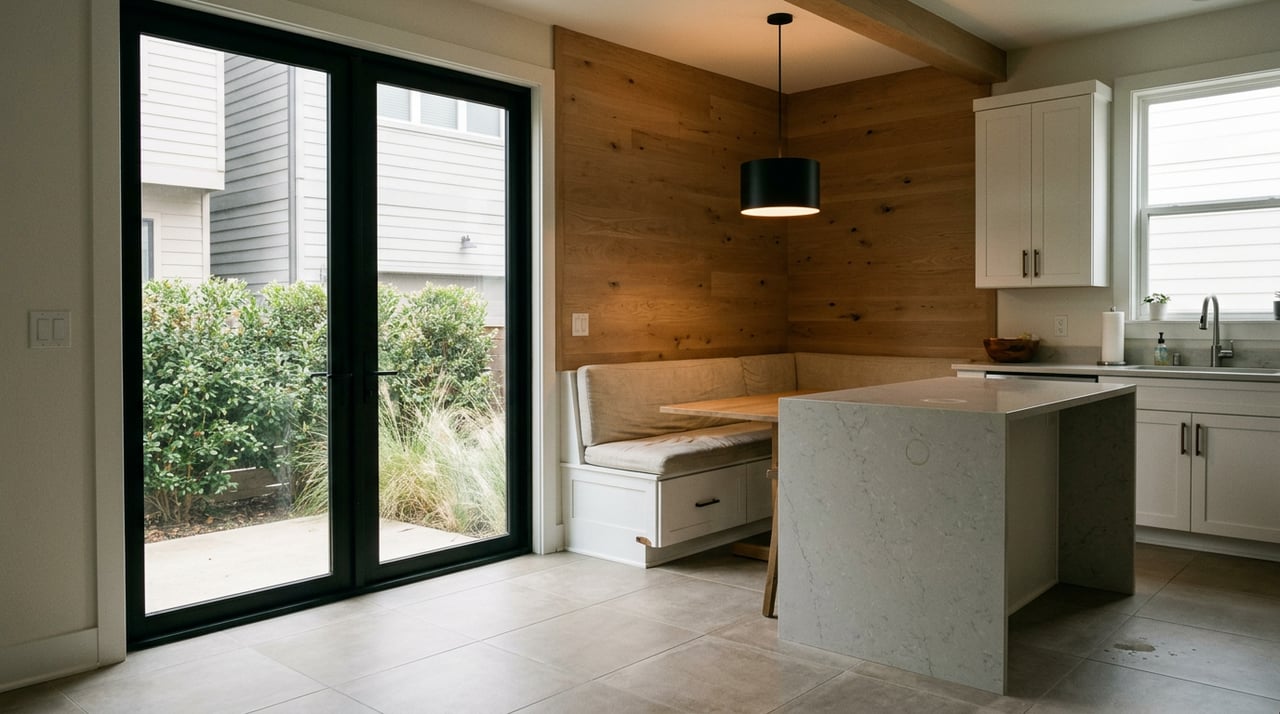
New homes offer modern systems and materials that meet current code standards. You may see lower near-term maintenance and potentially better energy performance compared to older builds. You also get the chance to personalize finishes and floor plans, especially if you purchase early in the build cycle. Many builders provide tiered warranties that cover workmanship, systems, and major structural elements for defined periods.
Builder incentives can be available, depending on market conditions and inventory. These can include closing-cost help, certain upgrades, or interest-rate buydowns. If quick timing matters, ask about spec or quick-move-in homes already under construction.
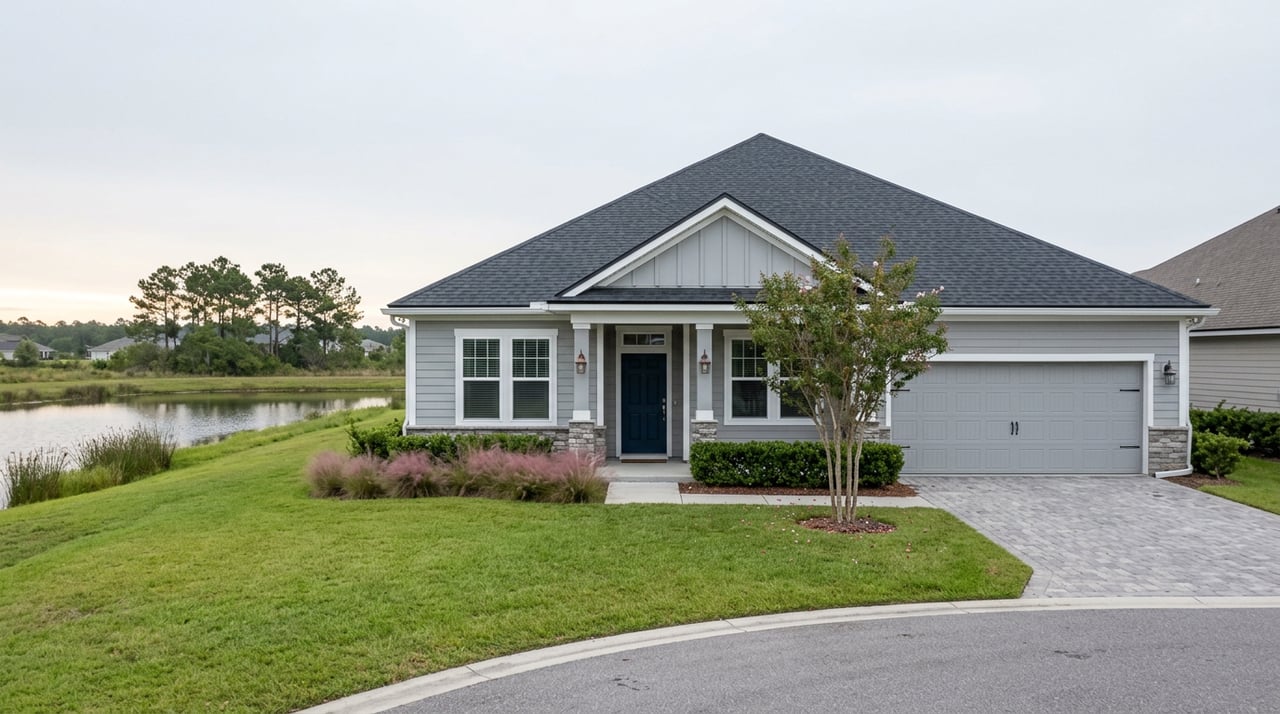
The advertised base price usually does not include everything. Expect separate line items for lot premiums, design upgrades, and site-prep needs. Lot premiums are common for lots with features like water views, cul-de-sac placement, wooded buffers, or corner exposure. Amounts vary by community and builder.
Review HOA documents to understand monthly or annual dues and what they cover. Amenity-rich, master-planned communities often have higher fees because they include more services and facilities. Confirm what is included in the base price, such as appliances, irrigation, landscaping, gutters, and window treatments.
Depending on the home and market, a new build can take several months. Many build-to-order timelines fall in the 6 to 12 plus month range. Spec homes can deliver sooner if construction is well underway. Delays can result from permitting, weather, subcontractor availability, supply chain issues, and municipal inspections.
Ask for a written construction schedule and how the builder handles slippage. A good builder should explain contingency plans and communicate regularly about milestones. Confirm how change orders affect timing.
Financing depends on the type of new home. Quick-move-in and spec homes often close with a standard mortgage. Build-to-order homes may require construction-to-permanent financing or an interim construction loan with interest-only payments during the build.
Builders typically set earnest money and deposit schedules tied to progress. Read the contract for refundability and contingency terms. Ask lenders about down payment differences for construction loans and whether they have experience with Carolina Forest builders.
Even with new construction, order independent inspections. If allowed, schedule a pre-drywall inspection and a final inspection before closing. The builder will have a punch-list process, and your inspector adds another layer of protection.
Most builders offer tiered warranties. A common structure is around one year for workmanship, a couple of years for certain systems, and up to ten years for major structural elements, but terms vary. Clarify start dates, coverage, and how to submit claims. Understand what the builder must resolve before closing and how items are handled after move-in.
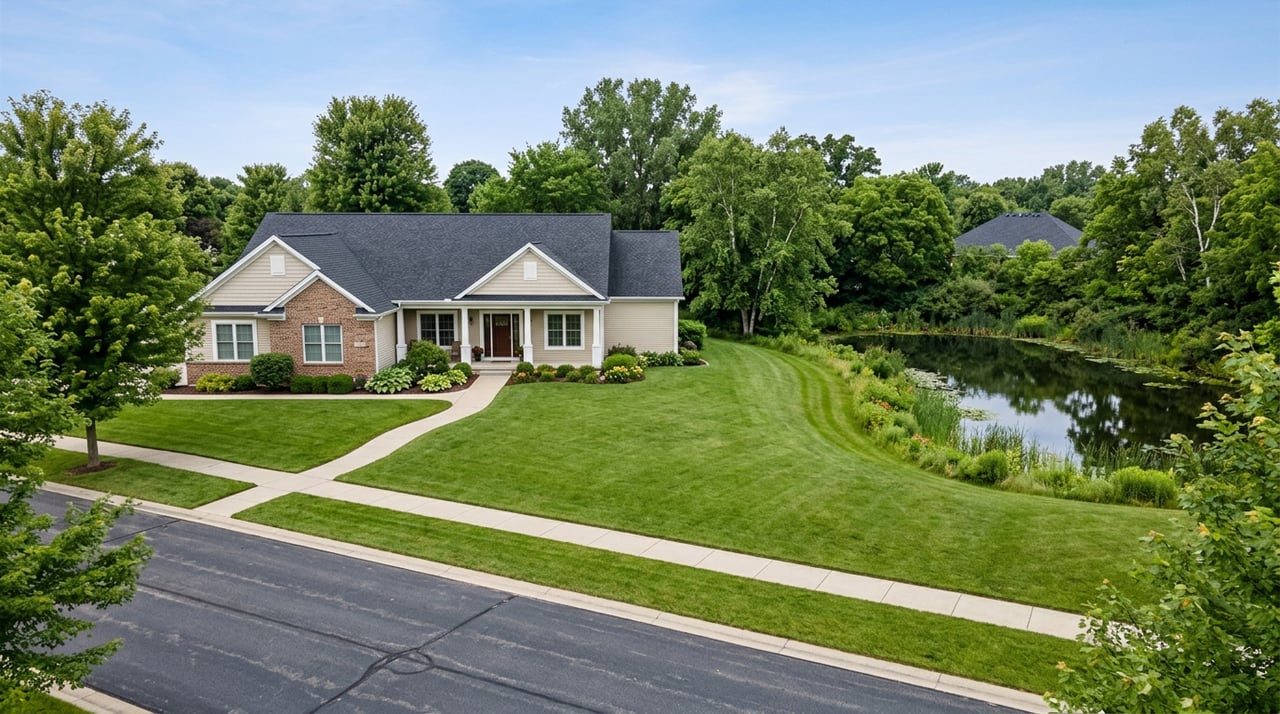
Resale homes offer immediate occupancy and known neighborhood context. You can see traffic patterns, HOA enforcement practices if applicable, and the feel of the street. Mature landscaping and established lots can be a plus.
Pricing is typically negotiable. In some cases you can secure seller concessions or closing-cost help, especially if inspection items surface. When comparing to a new build, factor in the cost of desired renovations or updates.
Budget for the age and condition of major systems such as roof, HVAC, and water heater. Investigate plumbing and electrical updates, and screen for issues like mold or termite activity. If energy efficiency matters, note that older windows, insulation, or HVAC may increase utilities until upgraded.
A thorough inspection and clear repair requests can help you manage risk. If you love a resale floor plan but want a newer kitchen or bath, compare the total renovation cost to a new-build upgrade budget. The best value depends on your timing, risk tolerance, and willingness to take on projects.
Most resale purchases use a standard mortgage with appraisal. Contracts often include inspection, financing, and appraisal contingencies that protect you if problems appear. You can also negotiate seller credits to address inspection findings.
Ask for documentation on system ages, receipts for recent work, HOA meeting minutes if applicable, and any known neighborhood issues. This helps you understand near-term costs and ongoing obligations.
Carolina Forest is a large, planned area in Horry County with a mix of master-planned communities and established neighborhoods. Many communities have HOAs, and inclusions vary. Review covenants and budgets to understand dues, reserves, and covered services like lawn care, trash, or amenity maintenance.
Check school attendance maps for accurate zoning and confirm proximity to healthcare, shopping, parks, and recreation using county resources. For commutes, test drive times to Myrtle Beach, North Myrtle Beach, Conway, and the airport at typical travel hours.
Flood risk varies by lot. Use FEMA flood maps and Horry County GIS to confirm designations and whether an elevation certificate is needed. Insurance can differ near the coast. Discuss wind and flood coverage with local insurance professionals to understand premiums and requirements.
For utilities, verify whether a property connects to county sewer or uses septic. Newer subdivisions may have sewer availability while some resale lots could rely on septic systems. On property taxes, ask the Horry County Assessor how new construction is assessed and when reassessment can affect your bill.
When you evaluate new versus resale, map out a full cost picture.
Use these questions to clarify your best path in Carolina Forest.
If you are relocating or buying your first home in Carolina Forest, you deserve a clear, local-first plan. We guide you through builder options and established neighborhoods, arrange virtual or in-person tours, flag hidden costs, and coordinate inspections and lenders who understand this market. You get video-driven education, neighborhood expertise, and responsive service built for long-distance and local buyers alike.
When you are ready to compare real homes and real numbers, reach out to Nick Paolozzi to Start Your Life at the Beach.
Stay up to date on the latest real estate trends.
Whether you’re buying your first home, selling a property, or exploring Myrtle Beach living, we’re here to make the process seamless. With local expertise and a people-first approach, we’ll guide you every step of the way.