How the Surfside Beach Real Estate Market Splits in Two
August 27, 2026
August 27, 2026
Which number is the real median price in Surfside Beach: $352,000 or $532,000? Both are accurate. Both were current within the last few months. And neither one tells you what you actually need to know if you're comparing this town to North Myrtle Beach, Murrells Inlet, or anywhere else on the Grand Strand.
That gap isn't a data error. It's the whole story. Surfside Beach isn't one housing market wearing one price tag. It's two markets, split by a four-lane highway, and every "median" you find online is a blend of both that hides more than it reveals.
As of August 2026, Movoto's MLS-sourced tracking put Surfside Beach's median list price at $352,000, about 10 percent below the same month a year earlier, with homes spending a median of 73 days on the market. That's the number a quick portal search hands you.
A local market analysis published this spring told a different story. It put the town's overall median sale price across every property type at roughly $532,000, up about 2.7 percent year over year. But when that same analysis isolated detached single-family homes only, the median jumped to about $825,000, a 6.2 percent increase from the year before. Strip those single-family homes back out and fold in the volume of smaller condos and inland townhomes, and the typical home value lands closer to $350,000 to $360,000.
Three numbers, one town, and none of them wrong. They disagree because they're measuring different slices of the same inventory: list price versus closed sale, a blended product mix versus a single-family-only slice, a snapshot in August versus one from March. Price per square foot tells the same split story, averaging around $322 town-wide but climbing to roughly $540 in the ocean-adjacent corridors. If you anchor to any single figure without asking what it includes, you're comparing apples to a fruit basket.
The real property line in Surfside Beach isn't the beach. It's Highway 17 Business, and the character of the town changes block by block as you cross it.
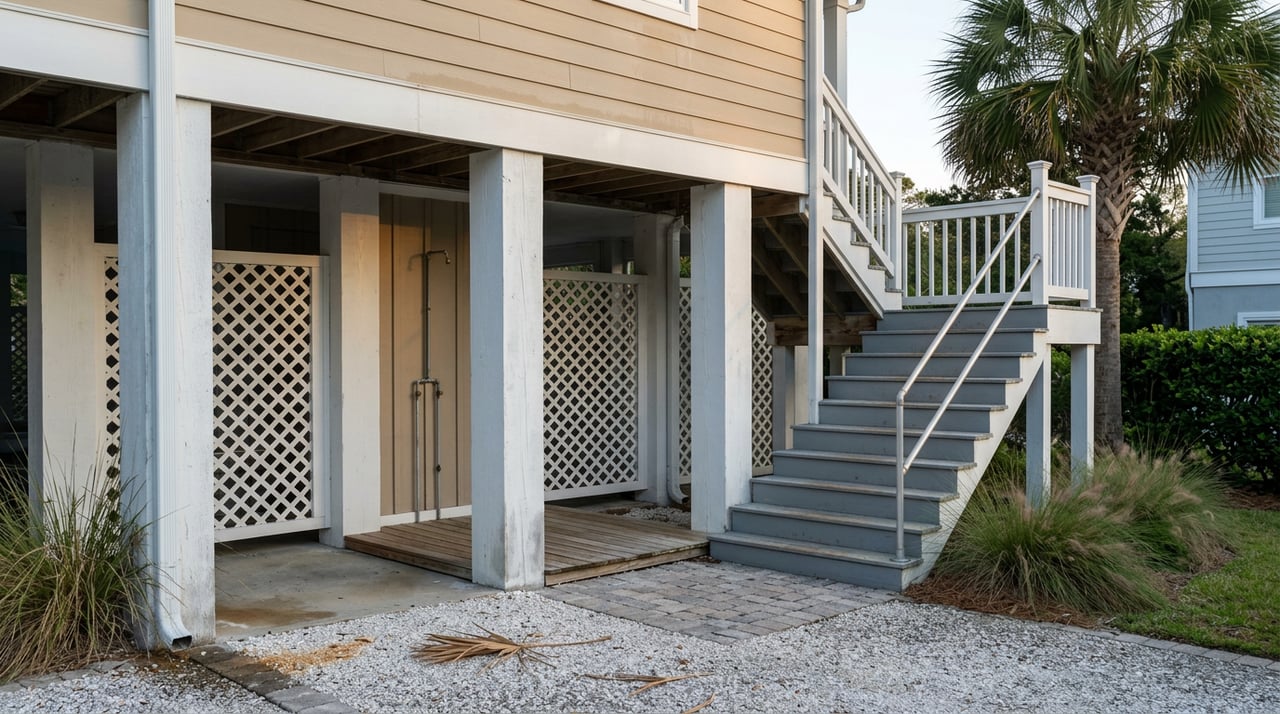
East of the highway, in the golf-cart grid between 17 Business and the Atlantic, you're in raised stilt cottages and low-rise condos on streets like Ocean Boulevard, Dogwood Drive, and Poplar Drive. Lakewood Terrace, just blocks from the water, has become a favorite for buyers who want an upscale beach-walking lifestyle, mixing older cottages with newer custom builds. This is where full-time residents, second-home owners, and short-term vacationers all share the same block, and where the Surfside Beach Fishing Pier and its surrounding cluster of shops and restaurants anchor daily life.
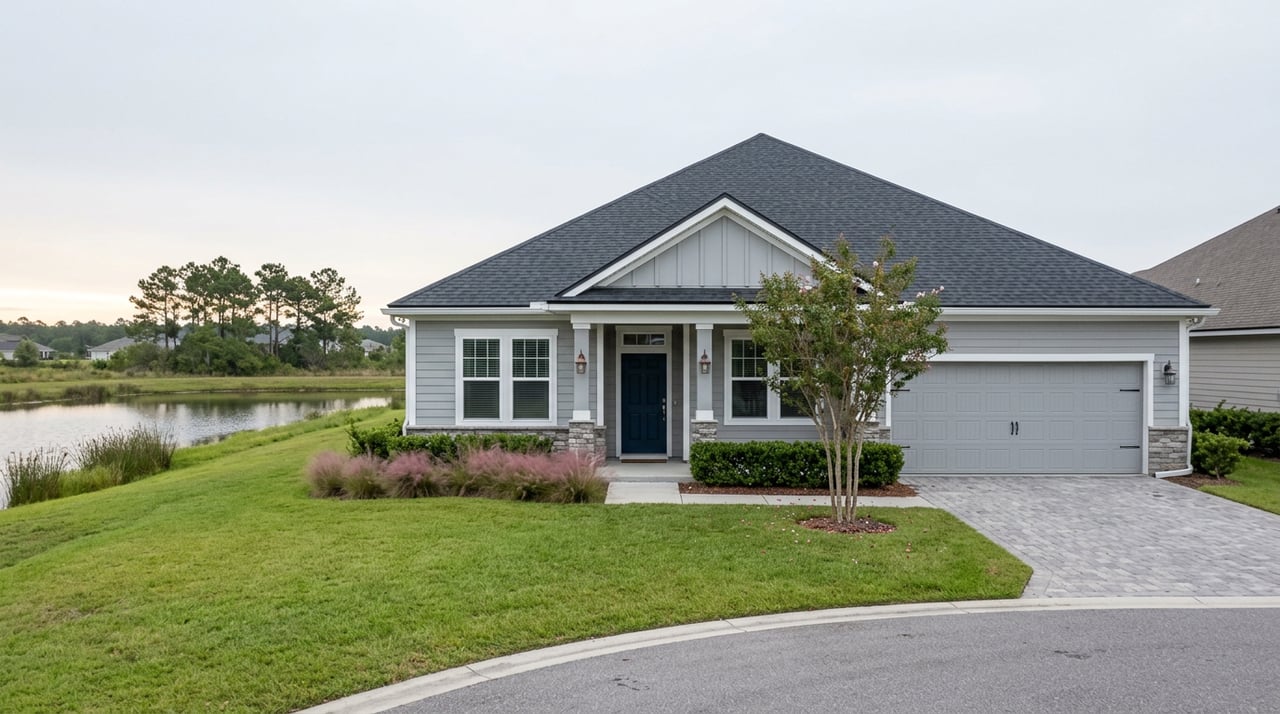
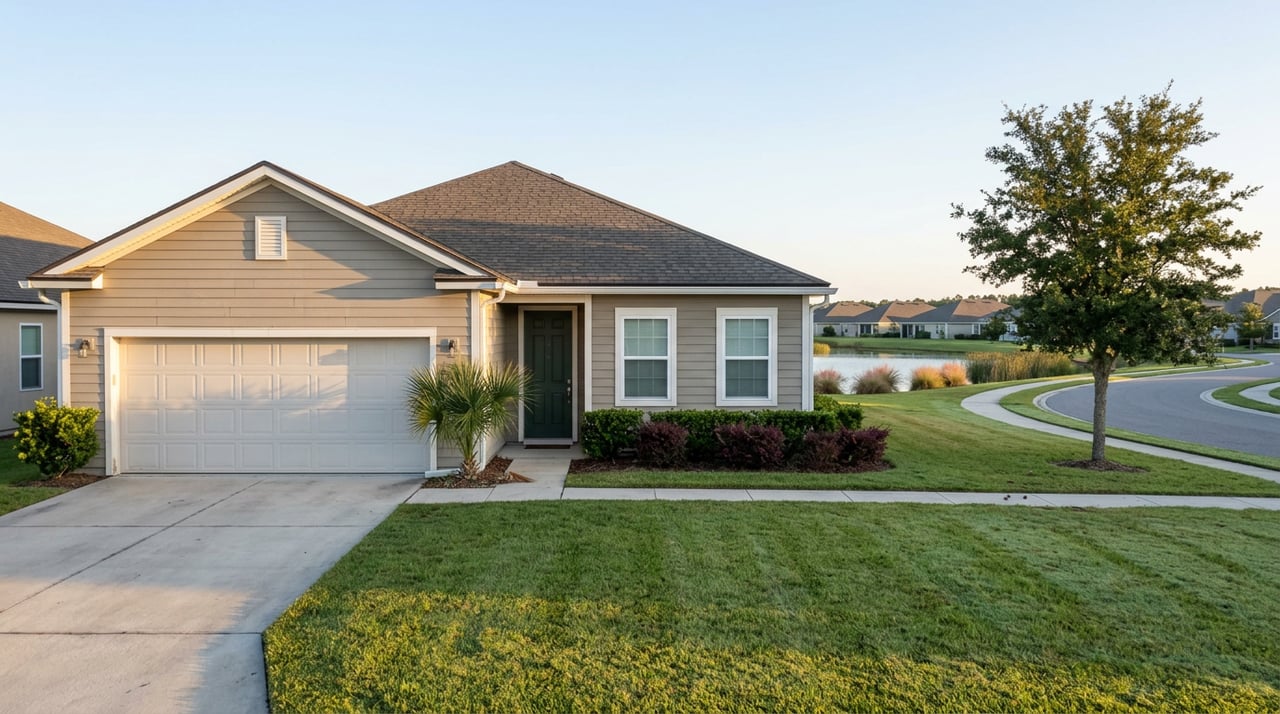
West of 17, the tourist energy thins out fast. Communities like Deerfield offer golf-course villas that rank among the more affordable ways to own property near this stretch of coast. Gated neighborhoods like Surfside Beach Club and golf communities like Southwood, built around the Wicked Stick course and its ponds, fill out a quieter, larger-lot, year-round residential band. You're typically a three-to-ten-minute cart or car ride from the sand instead of a sixty-second walk, but the trade is bigger lots, more mature landscaping in the established sections, and a materially different day-to-day rhythm.
| East of Highway 17 Business | West of Highway 17 Business | |
|---|---|---|
| Distance to the beach | Walking or golf-cart distance | 3 to 10 minute drive or cart ride |
| Typical housing | Raised stilt cottages, 2-4 story condo buildings | Ranch-style single-family, townhomes, golf villas |
| Named streets and communities | Ocean Boulevard, Dogwood Drive, Poplar Drive, Lakewood Terrace | Deerfield, Surfside Beach Club, Southwood, The Cove at Glenns Bay |
| Who's buying | Mix of full-time residents, second-home owners, short-term rental investors | Mostly full-time residents |
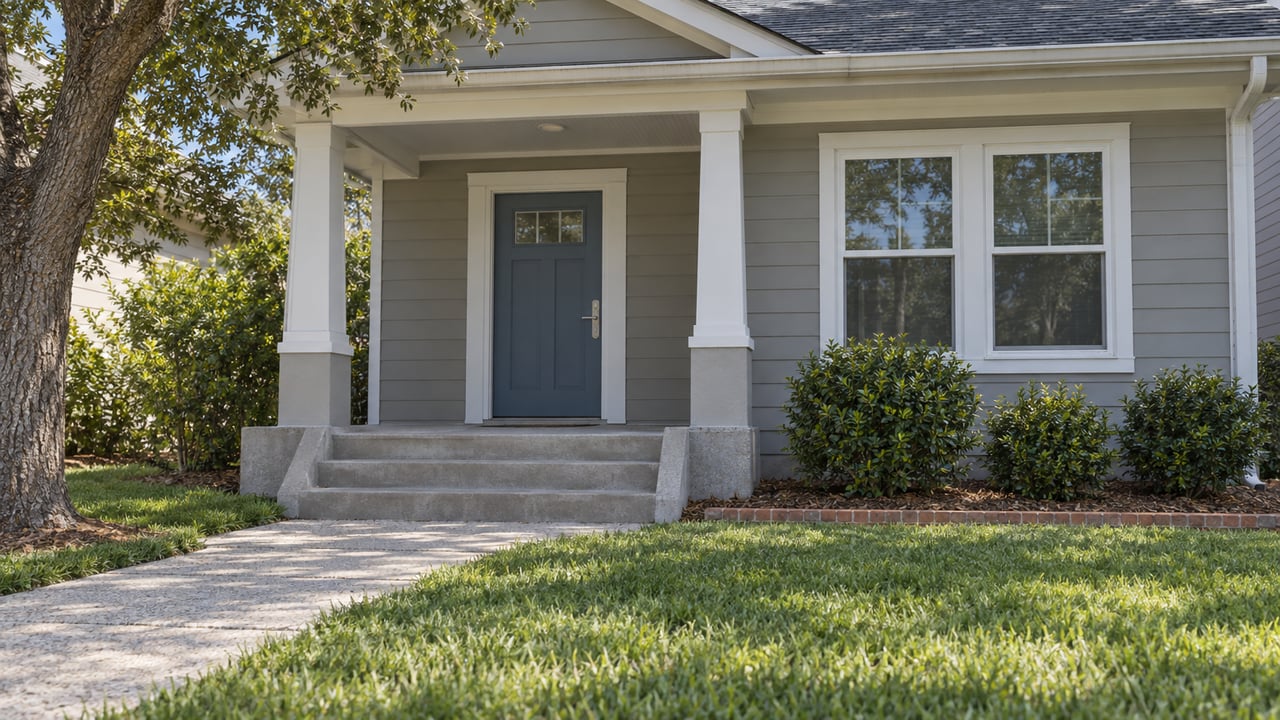
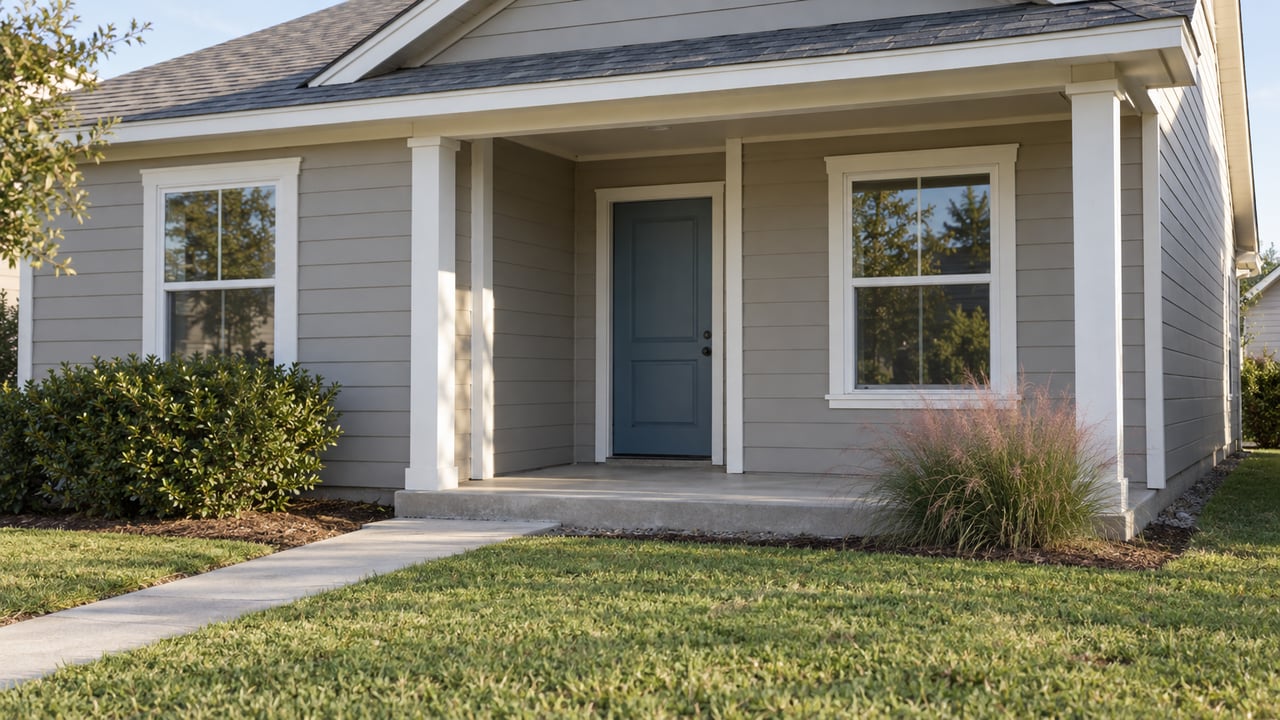
The clearest example of the west-of-17 tier right now is The Cove at Glenns Bay, a D.R. Horton townhome community built around a single street called Bayou Loop, off Glenns Bay Road. It's a small, deliberately intimate project, just 83 homesites total, offering a two-story Pearson floor plan at roughly 1,418 square feet with three bedrooms and two and a half baths. Recent listings in the community have priced these homes from the mid-$270,000s to just under $300,000, with an HOA in the neighborhood of $140 a month covering common-area maintenance, trash pickup, and pond upkeep.
the daily experience is inland Surfside: a quiet street of new construction, a car or cart ride to the water, and a price point that looks nothing like the $825,000 single-family median on the other side of the highway. This is the segment that's actually pulling the blended town-wide median down toward $350,000, even while single-family homes near the water keep climbing.
Cross back east and that $280,000 to $300,000 range buys something entirely different, if it buys anything at all. Second- and third-row condo units in the low-rise buildings along the beach corridor can fall in that range, while front-row oceanfront units command a real premium for the view alone. Raised stilt cottages a few blocks off Ocean Boulevard, the kind built specifically for storm resilience with the ground level reserved for parking and outdoor showers, routinely start well above that and climb past $1 million for larger, newer builds with private pools and elevators.
The $540 per square foot average in the ocean-adjacent corridors, against $322 town-wide, is the same story told in a different unit of measurement. You're not paying for more house east of 17. You're paying for proximity, for walkability, and in many cases for a rental income stream that inland properties simply can't replicate at the same rate.
Here's what gets lost when buyers compare Surfside Beach to nearby towns using a single median: the spread inside Surfside is often wider than the gap between entire towns. Earlier this year, North Myrtle Beach carried a median sale price around $415,000 with homes sitting on the market roughly 122 days. Murrells Inlet, known for its marsh-front access and dining scene, ran closer to $445,000. Litchfield Beach and Pawleys Island, with their higher-end pockets and gated communities, sat around $550,000. Myrtle Beach itself, pulled down by its enormous condo segment, came in near $190,000.
Line those up next to Surfside's own internal range, from around $280,000 for a new inland townhome to $825,000 or more for a single-family home near the water, and Surfside isn't sitting at one point on that scale. It's straddling nearly all of it, which is exactly why the town's blended median is the least useful number in this entire comparison.
Before you anchor to any price you see quoted for Surfside Beach, ask which Surfside it's describing. A list price pulled from portal data this month will look nothing like a single-family-only median from a few months back, and neither will match what a specific inland townhome community or a specific beachfront block is actually doing. The town's slower pace right now, with days on market stretching past two months in some segments, gives buyers real room to negotiate, but only once you're comparing against the right slice of inventory rather than the town-wide blend.
Does buying west of Highway 17 mean giving up rental income potential? Not entirely. The rental economics and buyer pool east of 17 tend to be stronger simply because of walking distance to the pier and the beach.
Is Surfside Beach still considered an affordable coastal option? It depends entirely on which segment you're shopping. Inland condos and new-construction townhomes remain among the more accessible ways to own property near this stretch of coast, while single-family homes near the water have moved well past that range.
Whether you're weighing an inland townhome for a first coastal purchase or a stilt cottage for its rental income, the number that matters is the one specific to your block, not the town-wide average. Nick Paolozzi at Life in Myrtle Beach can walk you through what's actually selling on each side of Highway 17 right now and help you figure out which Surfside Beach fits your plans. Start Your Life at the Beach.
This article is general information, not legal, tax or financial advice. Consult a qualified professional about your situation.
Stay up to date on the latest real estate trends.
Whether you’re buying your first home, selling a property, or exploring Myrtle Beach living, we’re here to make the process seamless. With local expertise and a people-first approach, we’ll guide you every step of the way.