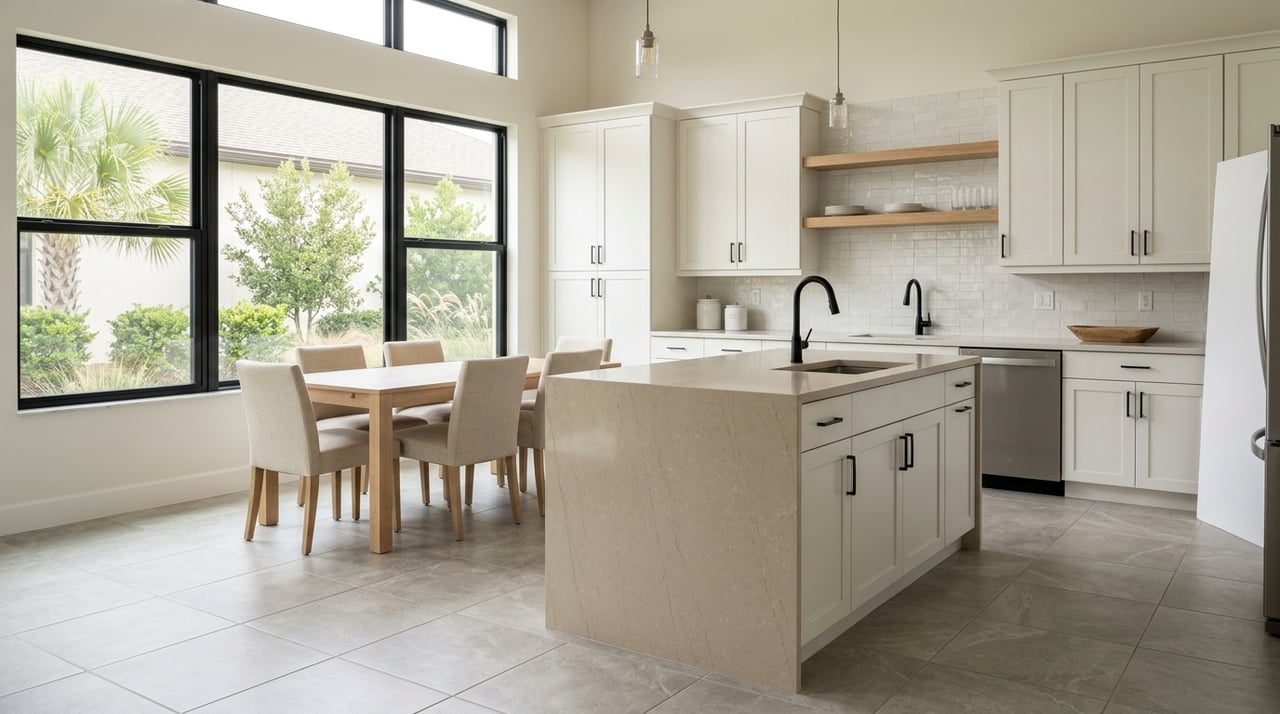
How Virtual Home Buying Works In Myrtle Beach
April 23, 2026
April 23, 2026
Thinking about buying a home in Myrtle Beach while living somewhere else? You are not alone, and the good news is that virtual home buying can work very well here when the process is handled carefully. If you are relocating, buying a second home, or exploring an investment property from a distance, this guide will show you what happens online, what still needs extra verification, and how to move forward with confidence. Let’s dive in.
Virtual home buying in Myrtle Beach is best viewed as a traditional home purchase with a digital front end. You can get preapproved, compare financing options, tour homes by video, review disclosures, schedule inspections, shop for insurance, and handle much of the paperwork from another state.
That said, virtual does not mean you should skip important steps. It means you need a clear process, reliable communication, and strong local support so you can verify details before you commit.
Before you look closely at homes, get preapproved with a lender. According to the Consumer Financial Protection Bureau’s preapproval guidance, a preapproval letter shows sellers you are serious, even though it is not a final loan commitment.
Once you apply, your lender must send a Loan Estimate within three business days. Because Loan Estimates use a standard format, you can compare offers from more than one lender and get a better sense of your rate, fees, and monthly payment before you choose a loan.
For a virtual buyer, this step matters even more. It helps you narrow your budget early so you can focus your search and make stronger decisions when the right Myrtle Beach property appears.
Video tours are one of the most helpful tools for long-distance buyers. They let you explore a home’s layout, room flow, views, and condition in a more realistic way than listing photos alone.
Still, video should be a starting point, not your only source of information. The CFPB recommends paying close attention to the total monthly payment, closing costs, and disaster risk as you narrow your choices, especially in a coastal market like Myrtle Beach. You can review more in the CFPB’s guide on finding the right home.
A smart virtual buying process combines live or recorded video tours with document review and third-party verification. That approach gives you a fuller picture of the property before you move forward.
In coastal markets, a home can look great online and still raise important questions once you dig deeper. That is why early verification matters.
Here are four of the first things you should check in Myrtle Beach and Horry County:
If a property is in a higher-risk flood area, flood insurance may be required for government-backed mortgages. FEMA’s official flood maps are the right place to confirm a property’s flood zone.
Insurance is another early checkpoint. The CFPB explains in its guide to shopping for homeowners insurance that lenders typically require homeowners insurance, and flood coverage is separate when flood risk exists. In other words, do not wait until the last minute to find out what coverage is available or what it will cost.
Once you find a home you want, the next step is not just making an offer. It is also understanding what the seller is required to disclose and what those disclosures mean for you.
In South Carolina, the Residential Property Condition Disclosure Act generally requires the owner to provide a written disclosure statement before the contract is signed. As outlined in the South Carolina code, that disclosure can address things like structural systems, environmental issues, restrictive covenants, and whether the property is part of an HOA.
For remote buyers, electronic delivery helps speed up the process. You can review documents quickly from out of state, ask questions early, and spot issues that need follow-up before you move deeper into the deal.
If you are buying virtually, contingencies are especially important. The CFPB recommends making your purchase offer contingent on financing and a satisfactory inspection so you are not forced to close if the loan falls through or the inspection reveals serious problems.
This gives you room to verify the home with professional support instead of relying on video alone. It also creates a safer path if the appraisal, financing, or physical condition of the property does not line up with expectations.
Many buyers confuse the inspection with the appraisal, but they serve different purposes. The CFPB’s guidance on scheduling a home inspection makes this distinction clear.
A home inspection is for you. It helps you understand the property’s physical condition while there is still time to negotiate repairs, ask for credits, or walk away if needed.
An appraisal is usually for the lender. It helps confirm the property’s value for the loan, and you are entitled to receive a copy of the appraisal or other valuation the lender obtains.
For a Myrtle Beach virtual purchase, this is one of the most important themes to remember: video helps you shop, but independent professionals help you verify.
One advantage of buying in Horry County is that several useful public records can be reviewed from a distance. According to Horry County public information, records filed with the Register of Deeds can include deeds, mortgages, plats, condo liens, tax liens, mechanics liens, powers of attorney, easements, and HOA restrictions or amendments.
That can be especially useful if you are considering a condo, townhome, or home in a planned community. You may want to understand recorded restrictions, prior filings, or land-related documents before closing.
Horry County also offers a free Recording Notification Service that can email alerts if a deed transfer or mortgage lien is recorded. While this is more of a supporting tool than a first step, it shows how much of the due diligence process can be supported remotely.
Myrtle Beach has many condo and HOA communities, which makes this an important topic for remote buyers. Governing rules, fees, restrictions, and insurance responsibilities can affect how you use the property and what you pay over time.
The South Carolina disclosure form specifically asks about restrictive covenants and HOA governance. That matters because those documents can shape practical details such as obligations tied to ownership.
Insurance can also be more layered with condos. The CFPB notes that association master policies often cover common areas, but you may still need coverage for the unit itself. If you are buying a condo or resort-style property, make sure you understand where the association’s policy stops and where your own policy needs to begin.
Here is the biggest limitation many out-of-state buyers do not expect: South Carolina has not legalized remote notarization. The South Carolina Secretary of State allows electronic notarization, but the notary and signer must still be physically present together.
That means your Myrtle Beach purchase can be remote in many practical ways, but the final notarized signing step still needs an in-person plan that complies with state law. Everything else may feel highly digital, yet this last step must be handled correctly.
If you know this early, you can avoid last-minute stress. Your closing timeline should be built around a compliant signing plan from the start.
Closing scams are a real risk, especially when you are handling a transaction from a distance. The CFPB warns in its article on mortgage closing scams that scammers may impersonate agents, settlement professionals, or legal representatives.
The safest move is simple:
Virtual buying works best when convenience and caution go together. A quick phone call can protect a large amount of money.
If you want to keep the process clear, follow this order:
That sequence helps you avoid one of the biggest mistakes in remote buying: falling in love with a property before you verify the details that matter most.
Virtual home buying in Myrtle Beach works when you treat it as a disciplined process, not a shortcut. You are not removing steps. You are completing them in a smart order, with digital tools helping you move faster and local verification helping you stay protected.
For many buyers, that is the right fit. Whether you are relocating, searching for a second home, or comparing condo options from out of state, the goal is the same: make confident decisions with clear information.
If you are planning a move to the Grand Strand and want a local, video-friendly approach to the process, Nick Paolozzi can help you navigate virtual tours, local research, and the next steps with clarity. Start Your Life at the Beach.
Stay up to date on the latest real estate trends.
Whether you’re buying your first home, selling a property, or exploring Myrtle Beach living, we’re here to make the process seamless. With local expertise and a people-first approach, we’ll guide you every step of the way.