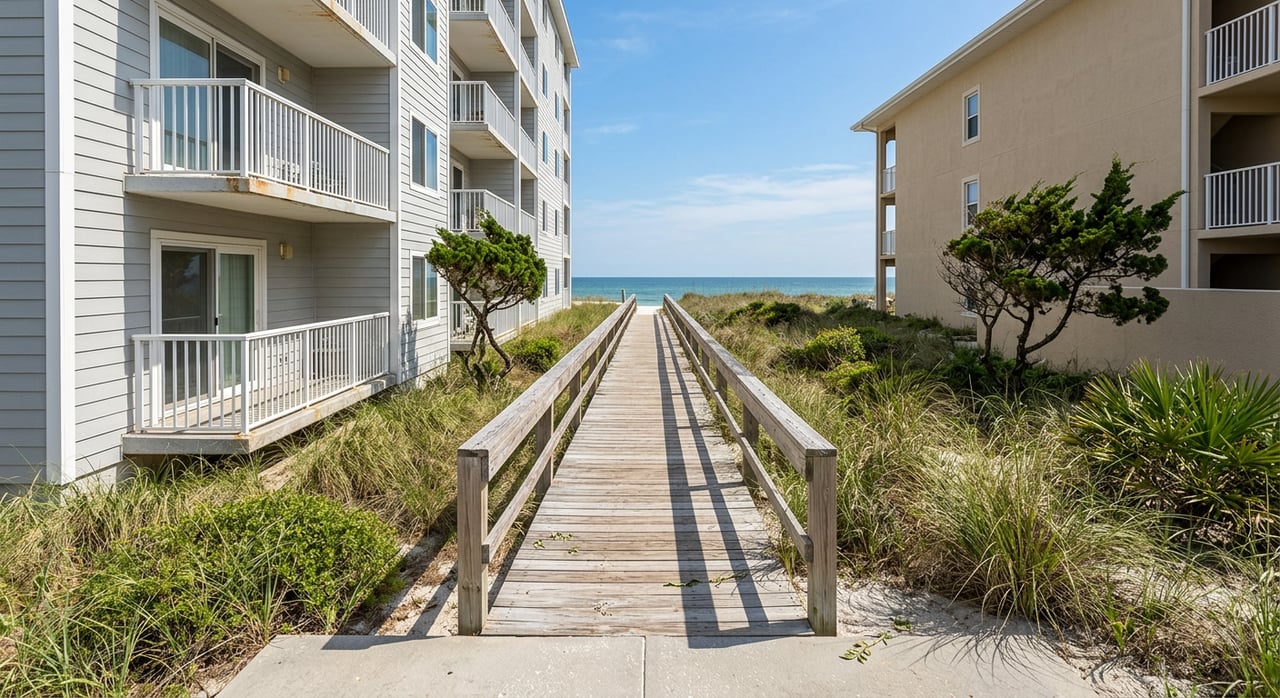
Oceanfront vs Second-Row North Myrtle Beach Condos
March 5, 2026
March 5, 2026
Trying to decide between an oceanfront condo and a second-row place in North Myrtle Beach? You are not alone. Both options can work well for a vacation home or a short-term rental, but the right fit depends on your goals, budget, and comfort with coastal costs. In this guide, you will learn how each option performs, what it costs to own, the rules you need to follow, and how to compare two specific condos with confidence. Let’s dive in.
North Myrtle Beach is an active short-term rental market. Recent dashboards show median annual occupancy around 61 percent and a median average daily rate near 259 dollars, with many hosts grossing around 58 thousand dollars per year across the market. You can review the latest figures in the market view from Airbtics.
Demand is highly seasonal. Summer months see the strongest travel and visitor spending across the Grand Strand, which supports peak nightly rates and bookings for beach-proximate condos. You can see this pattern in the tourism research from the Myrtle Beach Area CVB.
Which units tend to perform well? Oceanfront positions usually command higher nightly rates and better location scores. That said, well-located second-row 2-bedroom units often post healthy occupancy at a lower buy-in, which can improve yield for value-focused investors. Many buyers find that 2-bedroom floor plans strike a strong balance for family travel.
Pricing spans a wide range based on building, amenities, size, and view. Direct oceanfront units usually carry a material premium over similar second-row floor plans, but there is no one-size premium percentage. It varies by building, height, exposure, and condition. To size the gap for a target property, compare recent solds in the same building or within the same block by bed count and floor.
If you want a personal-use showpiece with maximum view impact, oceanfront will feel worth it. If you want lower monthly carrying costs and potentially stronger cap rate math, second row often gives you more value per dollar.
If you plan to rent short-term, guests typically pay a combined sales and accommodations tax that varies by jurisdiction and platform. Local agencies often quote around 12 percent as a general reference for many North Myrtle Beach and unincorporated Horry County addresses, though the exact rate depends on the specific location and booking channel. See a typical breakdown on Elliott Beach Rentals’ info page. Always confirm the precise schedule for your unit’s address.
HOA dues vary widely. Simpler buildings often sit in the mid-hundreds per month. Larger oceanfront resorts and condotel-style towers with waterparks, elevators, and on-site staffing can run much higher. Compare line items carefully. Look for what is included, such as master insurance, flood coverage, utilities, cable or internet, staffing, and reserve contributions. Review reserve studies and any special assessment history before you commit.
On the coast, you will typically encounter two distinct lines: wind and hail coverage with a hurricane deductible, and flood insurance through NFIP or a private carrier. In South Carolina, percentage-based hurricane or wind deductibles often run about 1 to 5 percent of dwelling coverage, which can create sizable out-of-pocket exposure after a named storm. Learn more about how these deductibles work from Insuranceopedia.
Flood pricing is now more property-specific under FEMA’s Risk Rating 2.0, which considers distance to water, elevation, foundation type, and replacement cost. Many ocean-proximate parcels fall in AE or VE zones, which can mean higher premiums and stricter mitigation standards than some second-row sites. Read FEMA’s overview of Risk Rating 2.0 through this summary resource from WVU GIS at FEMA Risk Rating 2.0. Always confirm parcel-level flood maps and request quotes during due diligence.
Salt air and wind accelerate wear on oceanfront buildings. Expect more frequent attention to items like balcony railings, sliders, exterior coatings and caulking, and HVAC equipment. Material choices, elevation, and exposure all shape your long-term cost profile. For a practical look at coastal durability concerns in the Myrtle Beach area, see this builder’s guide to flood zones, elevation, and insurance incentives.
If you plan to operate a short-term rental, you must obtain a business license and remit the required accommodations taxes to the city, county, and state as applicable. The City of North Myrtle Beach has hosted workshops and continued public sessions related to proposed updates to STR permitting and responsible party rules through 2025. Review the current requirements and check for the latest updates on the city’s Short-term Rentals page.
Financing depends on how you will use the unit and the project’s status. Primary residence, second home, and investment loans have different down payment and qualification rules. In addition, many lenders require condos to meet warrantability standards. Projects with heavy short-term rental activity or hotel-style operations can be labeled non-warrantable, which often means portfolio loans, higher down payments, and higher rates. Learn how lenders determine warrantability from this condo warrantability guide and read more about non-warrantable condo financing factors.
Use this simple checklist to make a fair side-by-side decision:
If you are weighing oceanfront vs second row in North Myrtle Beach, I can help you line up true apples-to-apples comps, request flood and insurance quotes, review HOA packages, and model conservative short-term rental scenarios. When you are ready, let’s schedule virtual or in-person tours and build a plan that fits your lifestyle and investment goals. Start your search with Nick Paolozzi.
Stay up to date on the latest real estate trends.
Whether you’re buying your first home, selling a property, or exploring Myrtle Beach living, we’re here to make the process seamless. With local expertise and a people-first approach, we’ll guide you every step of the way.