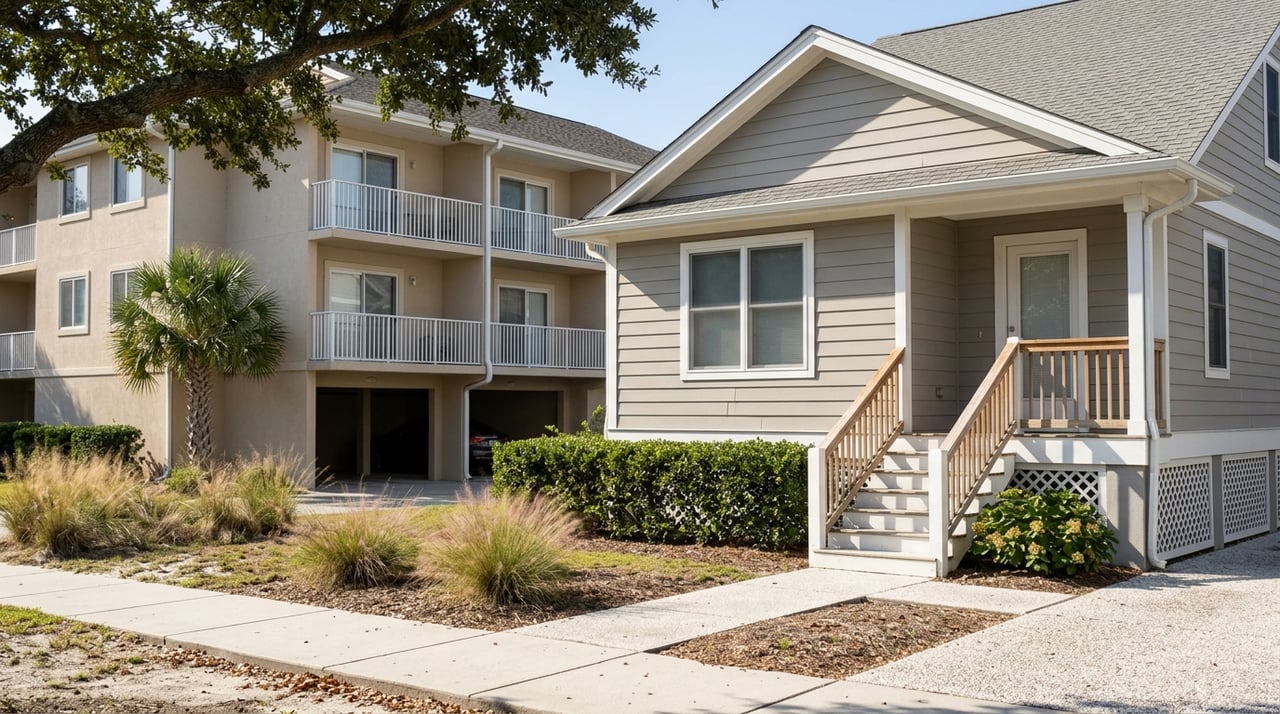
Which Surfside Beach Vacation Home Fits You Best?
May 7, 2026
May 7, 2026
Trying to decide between a beach house and a condo in Surfside Beach? You are not alone. For many buyers, this choice comes down to how you want to use the property, how much maintenance you want to handle, and whether rental income is part of the plan. If you are weighing privacy, upkeep, beach access, zoning, and flood risk, this guide will help you sort through the tradeoffs with more confidence. Let’s dive in.
Surfside Beach is one of those coastal markets where both options make sense. According to the town’s 2023 comprehensive plan, 52% of homes are single-family detached and 43% are townhomes or attached units. That means beach houses and condos are both well-established property types here, not rare exceptions.
The same plan also shows how important second homes and rentals are in the local market. Of 4,562 total housing units, 46% were vacant, and 1,844 properties were classified as seasonal or short-term rentals. In other words, if you are shopping for personal use, part-time use, or investment potential, you are looking in a market where those goals are already part of the local housing mix.
Surfside Beach is also trying to balance its role as a vacation destination with its year-round residential character. That is why the right choice usually comes down to your priorities. If you want more privacy and control, a house may fit better. If you want simpler ownership and shared maintenance, a condo may be the better match.
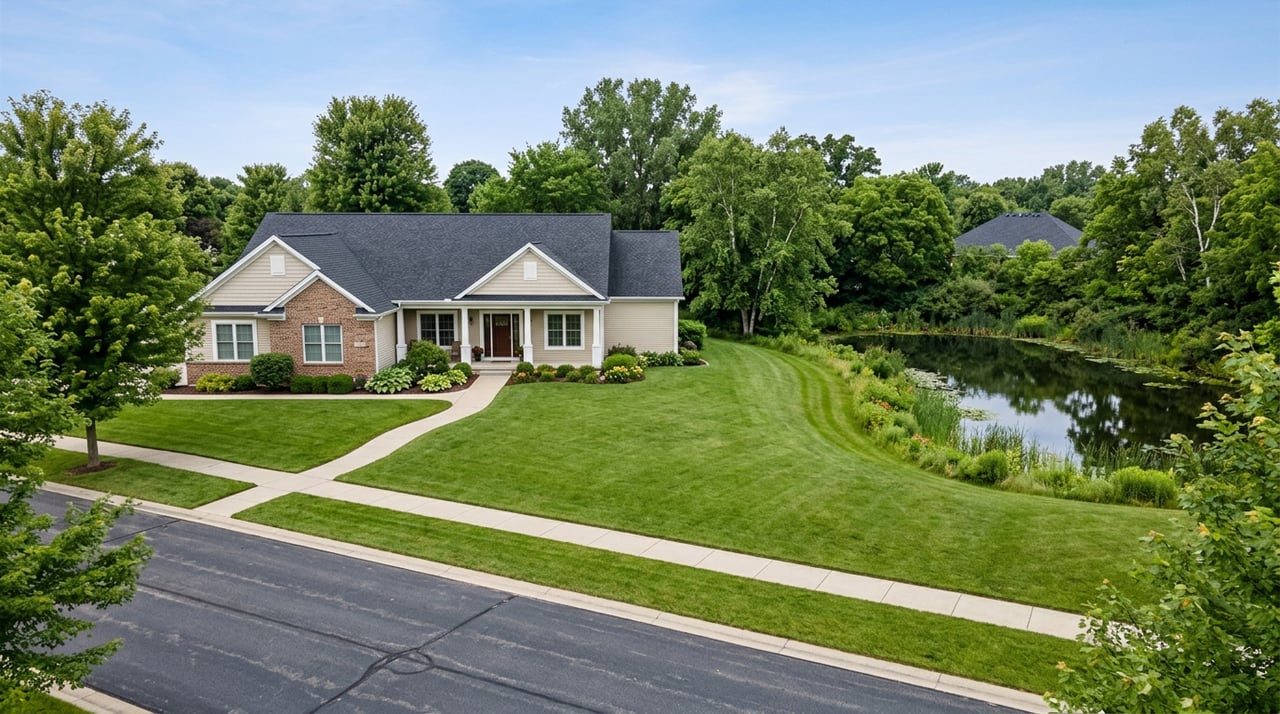
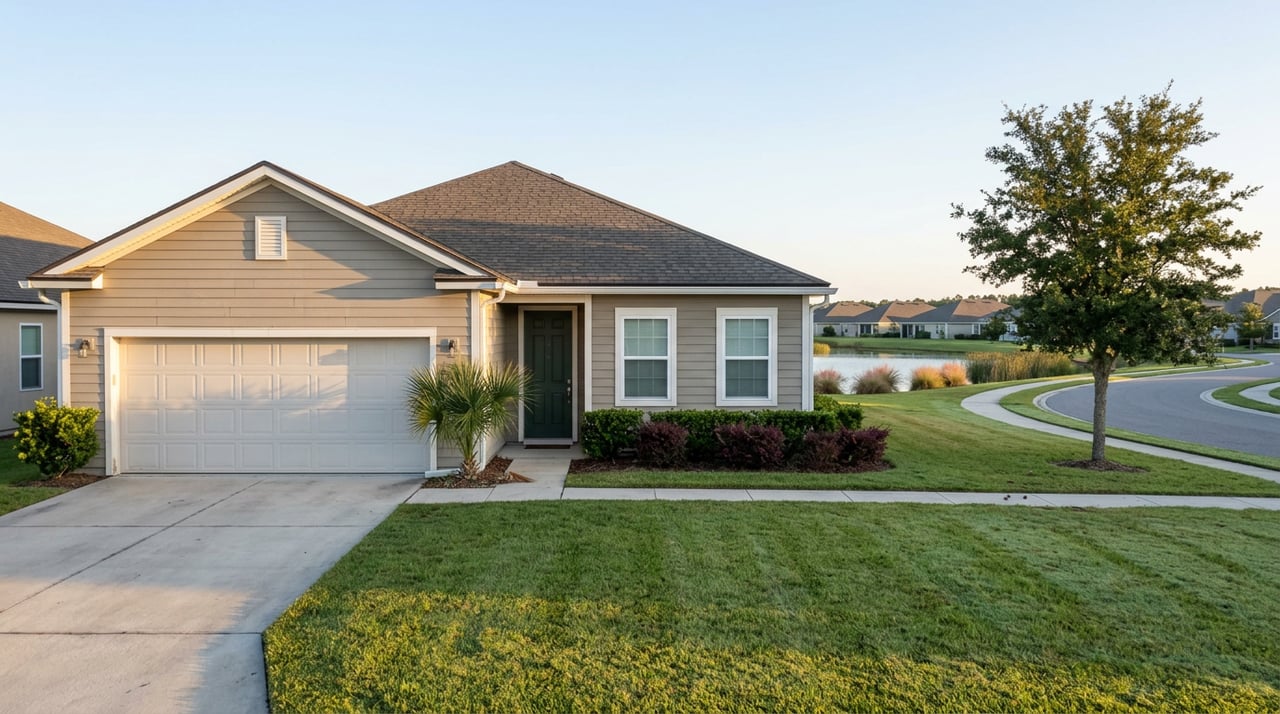
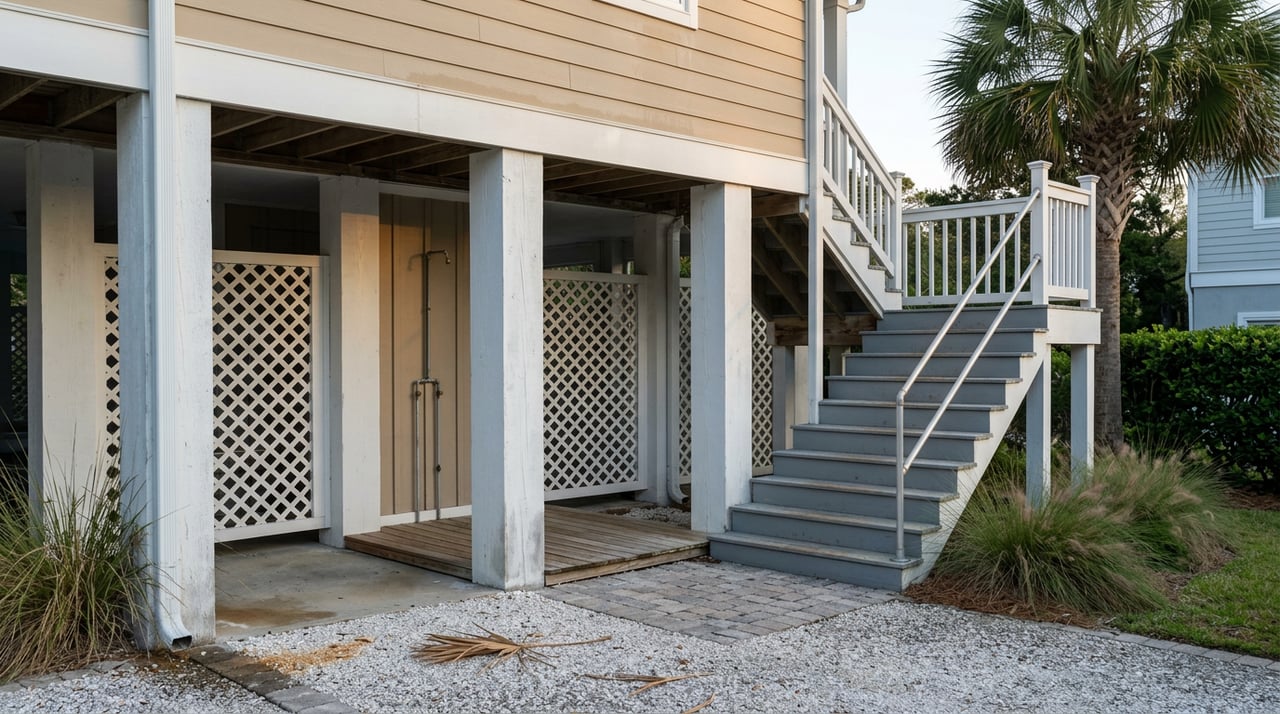
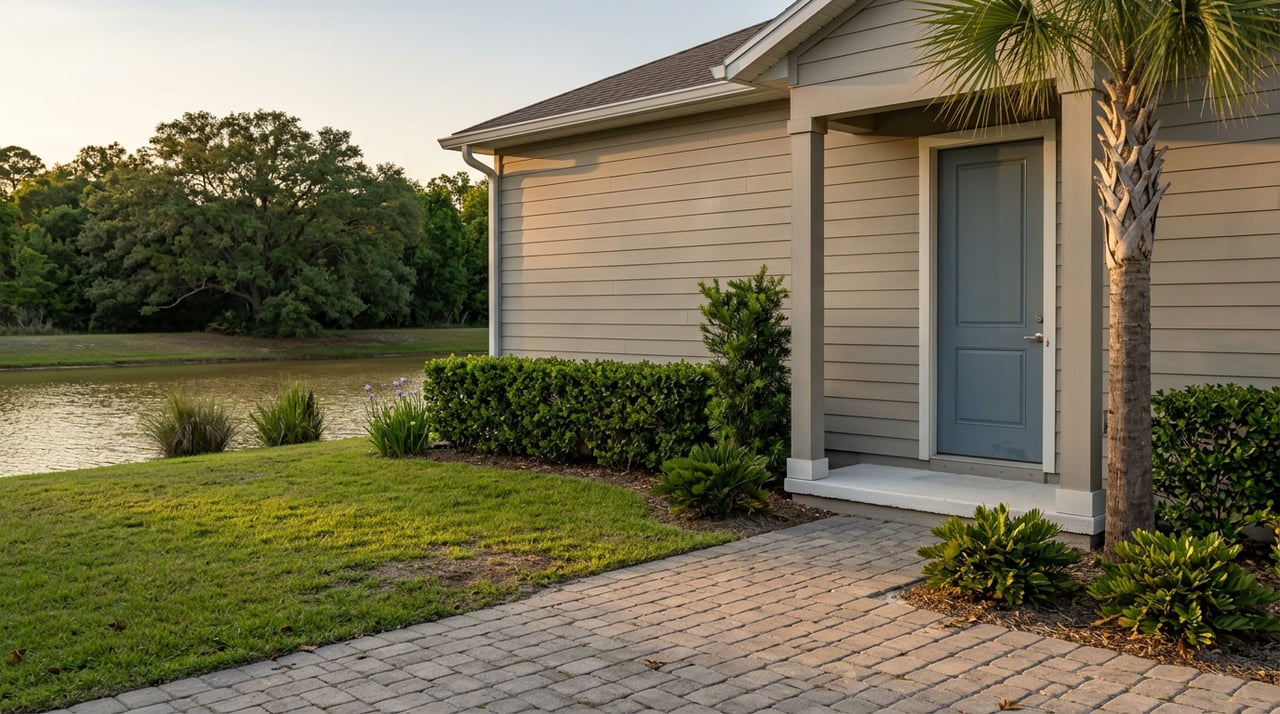
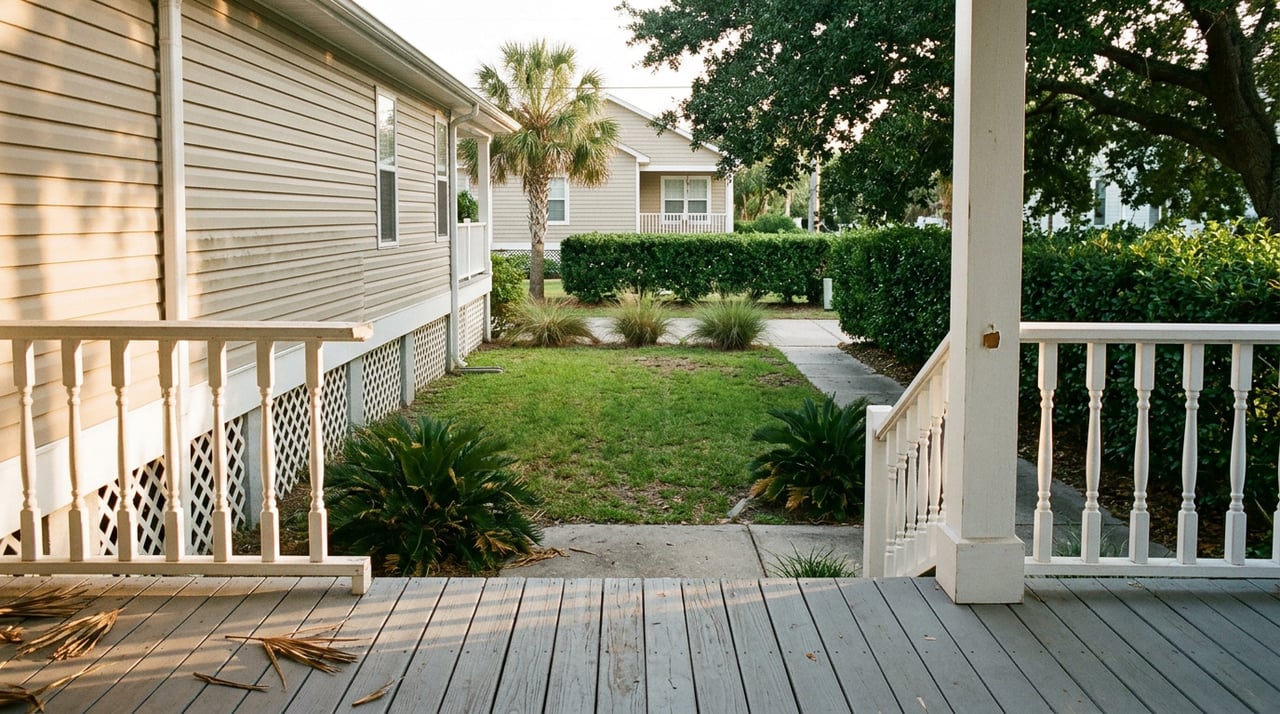
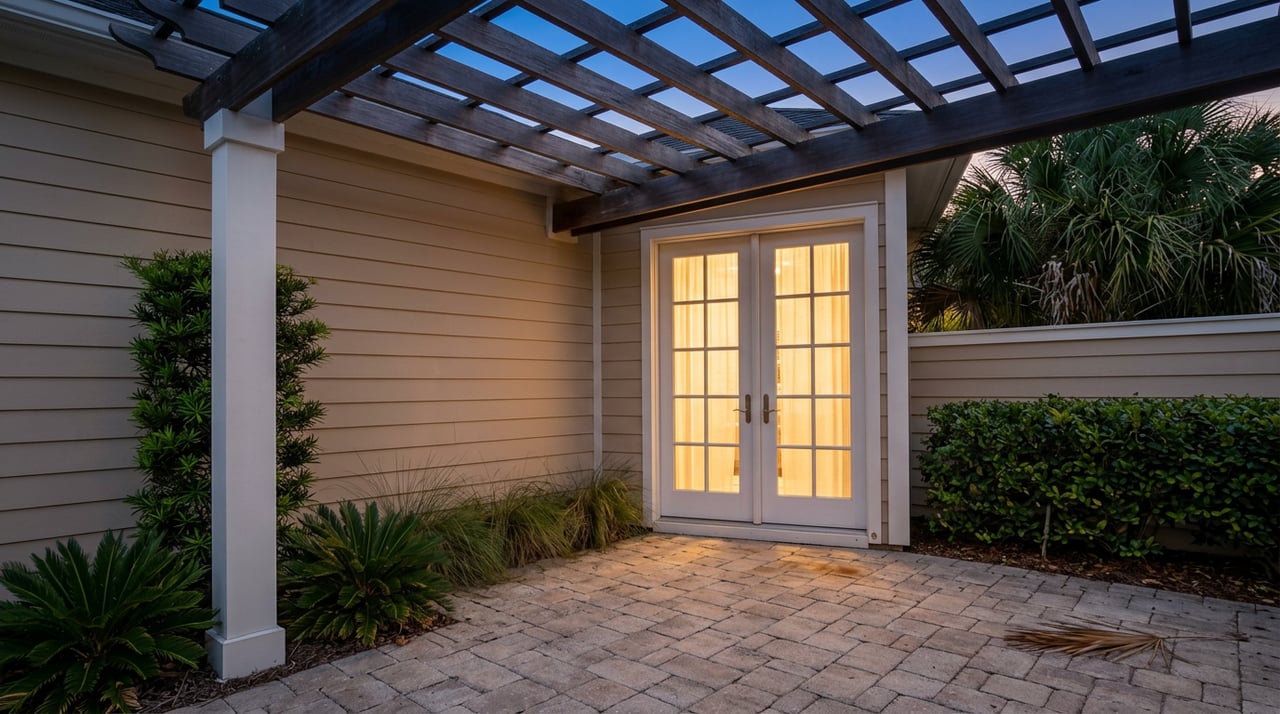
A beach house often appeals to buyers who want more room to spread out. You may get more outdoor space, more separation from neighbors, and more flexibility in how you use the property day to day. If privacy matters to you, that can be a major advantage.
A detached home also gives you more direct control over improvements and upkeep. If you want to make updates, manage the exterior on your own timeline, or shape the property around your personal use, a house can offer that freedom. For many second-home buyers, that level of control is a big part of the appeal.
That said, more control usually means more responsibility. Unlike a condominium, a detached house does not come with an association structure that automatically handles building-wide common elements. In practical terms, that often means you will be more hands-on with maintenance, storm prep, and long-term exterior care.
It is also important not to assume every beach house is free from community rules. South Carolina’s HOA law allows a homeowners association to manage and maintain a planned community and collect assessments for things like insurance, maintenance, improvements, and other shared expenses tied to the declaration. If you are looking at a detached home in Surfside Beach, you will still want to review any HOA documents carefully.
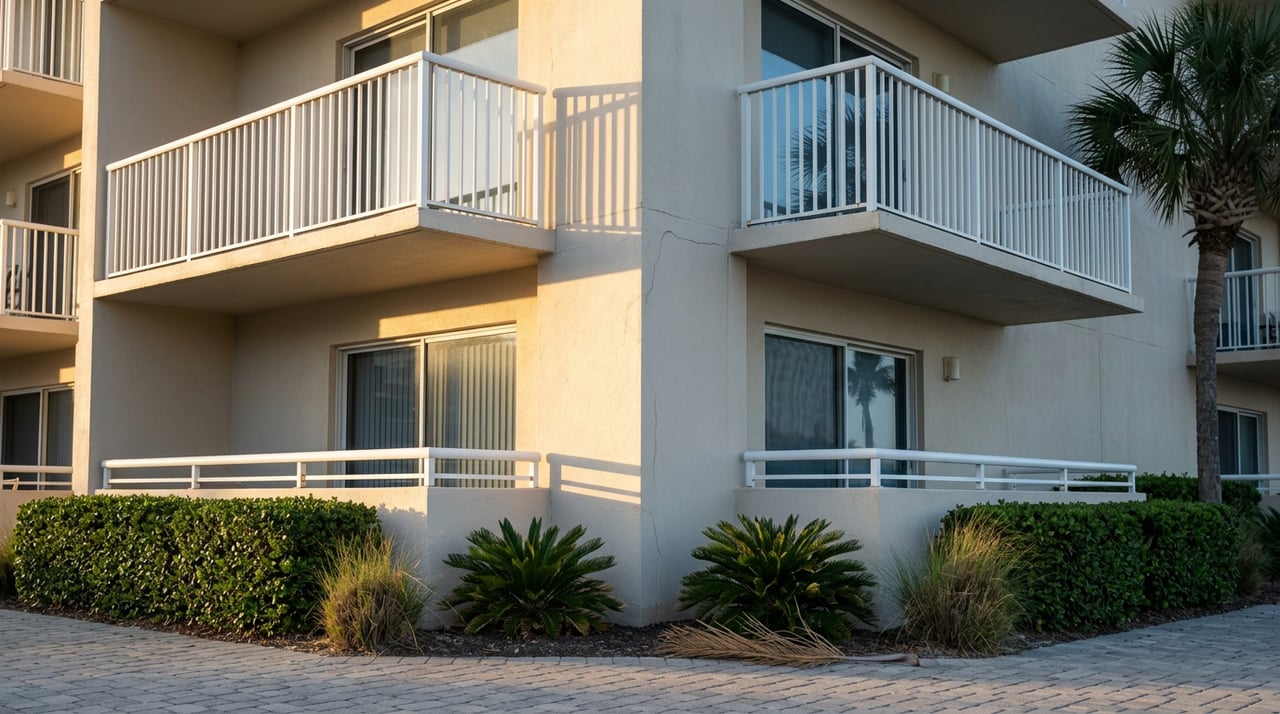
A condo can be a smart fit if you want a more hands-off ownership experience. In South Carolina, the condominium association is responsible for operating the condominium and may maintain, repair, and replace common elements. Those shared costs are funded through owner assessments.
For many buyers, that setup reduces the amount of day-to-day work tied to ownership. If you do not want to manage as much exterior upkeep or shared-property maintenance yourself, a condo can feel more manageable. This is especially appealing for part-time owners, retirees, and out-of-state buyers who want a lower-maintenance coastal property.
Insurance is another factor. Under South Carolina condo law, the association must insure the property against risks, while each co-owner can still insure their individual unit on their own account. That does not mean insurance becomes simple or cheap by default, but it does mean some responsibilities are handled at the association level.
Of course, convenience comes with tradeoffs. Condo ownership usually means monthly or periodic assessments, project rules, and less direct control over certain decisions. Before you buy, it is important to understand what the association covers, what it does not cover, and how those costs fit your budget.
In Surfside Beach, beach convenience is not only about whether you buy a house or a condo. The town says there are 36 beach access points, including wheelchair access at four entrances. That gives buyers a wide range of ways to enjoy the shoreline.
The town also provides parking at 12 beach-area parking lots, with some oceanfront options. So when you compare properties, it helps to think beyond the building type. A well-located condo may offer easier beach days than a house farther from an access point, while a well-placed house may offer a more private feel without giving up convenience.
Parking matters too, especially for second-home owners and anyone planning to host guests. Surfside Beach says non-resident property owners within town limits may receive two complimentary parking passes per household, and paid parking in public lots runs from March 1 through October 31. Rules can change by lot and decal type, so it is smart to verify the current details before you rely on public parking as part of your ownership plan.
Whether you buy a beach house or a condo, flood risk needs to be part of your decision. Surfside Beach participates in the National Flood Insurance Program, and the town’s floodplain staff can help check FEMA flood maps and whether a property is in a Special Flood Hazard Area.
The town also states that Surfside Beach is a CRS Class 7 community, which provides a 15% discount on local flood insurance premiums. That can help, but it does not remove the need for due diligence. Flood exposure, insurance costs, and lender requirements can all affect your total ownership picture.
If a property is in a Special Flood Hazard Area, the town notes that flood insurance is required for federally secured financing. That is why flood planning should be part of your early screening process, not something you look at after you fall in love with a property. A house and a condo may both work, but the better fit is the one that aligns with your comfort level and budget.
If you are buying with short-term rental income in mind, the biggest mistake is assuming a condo is always easier to rent or that a house is automatically allowed. In Surfside Beach, short-term rental eligibility starts with zoning.
The town’s zoning ordinance says transient rentals, meaning stays under 30 days, are permitted in the R3 and C3 zoning districts. Long-term rentals are permitted in all residential-use districts. The town’s comprehensive plan also describes R-3 as the high-density residential and accommodations district that permits short-term rentals.
That means the legal use of the property matters more than whether it is a house or condo. A condo can be restricted by its declaration or association rules. A house can also be limited by its zoning or HOA rules. If short-term rental income is part of your plan, you need all of those pieces to line up.
Surfside Beach says all real estate rentals are considered a business and require a town business license. That applies whether the property is a house, condo, or another rental type. If you plan to rent the property, this is not an optional detail.
The town’s business-license guidance also says short-term rentals are subject to hospitality fees and accommodation taxes. Horry County states that applicable short-term accommodations require hospitality-fee collection and remittance. The South Carolina Department of Revenue says accommodations tax applies to rentals under 90 consecutive days, including houses and condos.
If you plan to book rentals directly, the state says a Retail License is required to file and pay accommodations tax. This is why the better investment property is not simply the one that looks the most rentable online. It is the one whose legal use, cost structure, and management demands match your actual strategy.
If you are stuck between the two, start with how you want to live with the property. A beach house usually makes more sense if you want privacy, outdoor space, and more direct control, and you are comfortable taking on more maintenance and storm planning.
A condo usually makes more sense if you want lower day-to-day upkeep, a more lock-and-leave lifestyle, and a shared-maintenance structure, even if that means association fees and more rules. Neither option is better across the board. The right fit depends on how you plan to use the property in Surfside Beach.
For many buyers, the smartest move is to compare a few houses and condos side by side with the same checklist. Look at location, access, flood zone status, zoning, association rules, insurance responsibilities, and total carrying costs. That is how you move from a broad idea to a confident decision.
If you want help sorting through Surfside Beach homes, condos, second-home options, or rental-friendly properties, Nick Paolozzi can help you narrow the choices and focus on what fits your goals best.
Stay up to date on the latest real estate trends.
Whether you’re buying your first home, selling a property, or exploring Myrtle Beach living, we’re here to make the process seamless. With local expertise and a people-first approach, we’ll guide you every step of the way.